

Product manager: “The client pressure is unbearable, it must go live tomorrow!” Developer: “The code was just merged, no time for thorough self-testing….” Tester: looking at the long list of test cases, can only sigh silently…
Does this scenario feel all too familiar at the sprint stage of every project?
When the project schedule is in jeopardy, development is delayed, requirements change…
All the pressure eventually rolls like a snowball to the last link - testing.
So the test engineer becomes the final “scapegoat” and the “gatekeeper” deciding the project’s fate. And the phrase “not enough testing time” becomes the sword of Damocles hanging over everyone’s head.
But: when testing never has enough time, the problem is by no means only in testing, and the main cause is not even in the testing phase.
Behind this hides a deeper but more common dilemma of team collaboration.
Is “the Testing Phase” Reasonable Just Because It Exists?
In many teams’ workflows, testing is seen as an independent, linear “phase”.
| |
The process seems natural, but in actual work it hides great risk.
Once any of the preceding links (such as design or development) has a problem and takes longer than expected, the time left for testing will be ruthlessly compressed. Testing goes from a quality assurance phase to a risk cleanup phase.
QA’s work becomes that of a firefighter, as if forced into a room already full of smoke, trying to find possible sources of fire before the house burns down. Not only inefficient, but extremely dangerous.
Worse, this model also breeds an “us vs. them” adversarial culture:
- Development thinks: “Why is it all this module after so long testing? Do you even know how to test?”
- Testing thinks: “What lousy code! So many bugs in one module?”
Everyone no longer seems to be teammates fighting side by side, but stands in opposition to each other.
Obviously, this is not what we want to see!
How to Break the Deadlock?
So how do we break this curse of “not enough time”?
The answer is not the common sight of testers working overtime until dawn, but a fundamental shift in thinking: from “quality assurance” to “quality built in”.
Quality is not “tested” out at the last stage, but “built” throughout the whole process. Testing should not be the final phase of a project either, but a “quality coach” that runs through the whole thing.
**1. Shift Testing Left, Get Involved Early Instead of Waiting for the “Wrap-up”
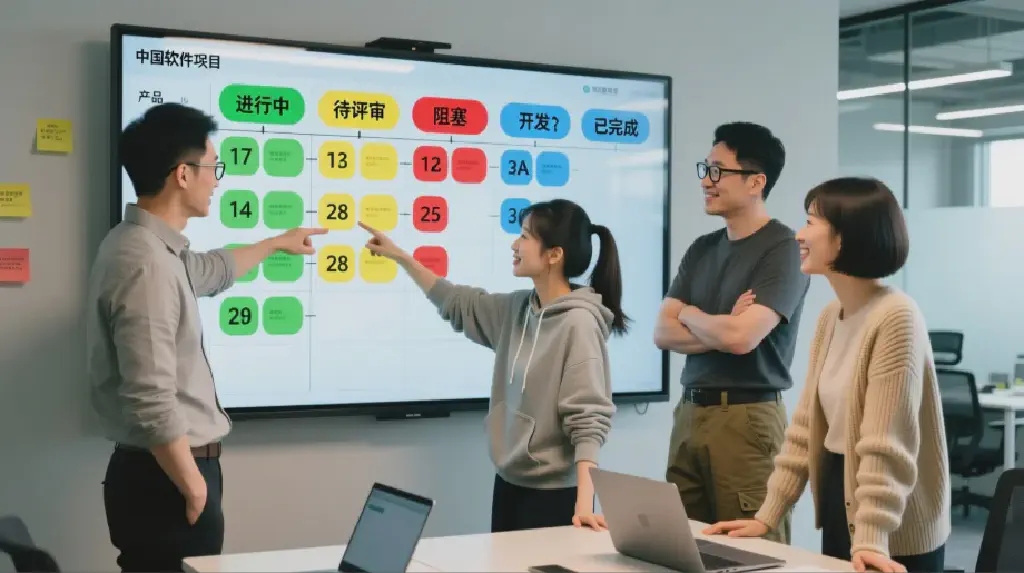
Do not wait until the code is written to think about testing. Let testers get involved from the very beginning, in requirements review and the design phase.
What are the benefits of early tester involvement?
- Raise testability questions: Is this requirement’s logic clear? What are the boundary conditions? Are there “black boxes” that are hard to test?
- Perform risk analysis: Which features are core high-risk areas? Which can have their testing priority appropriately lowered?
- Prevent defects: Many bugs are already determined at the design stage. QA’s early intervention can “prevent” them at the lowest cost, rather than “finding” them with effort after development is complete.
Turn testers from “problem finders” into “risk preventers” - this is how value is maximized.
2. Embrace Automation to Maximize Tester Value
Manual testing is exploratory and creative, but also time-consuming and error-prone. For regression test cases that are executed repeatedly, test automation is where it shines most.
- Unit testing: Developers write their own UTs to ensure the stability of code modules.
- Integration testing: Can ensure collaboration between modules works.
- End-to-end (E2E) automation: Simulates user operations and covers core business flows.
Integrate test automation into the CI/CD pipeline so it runs automatically on every code commit. This frees testers from heavy regression testing to focus on more valuable exploratory testing and complex scenario testing.
3. Use Good Steel on the Blade
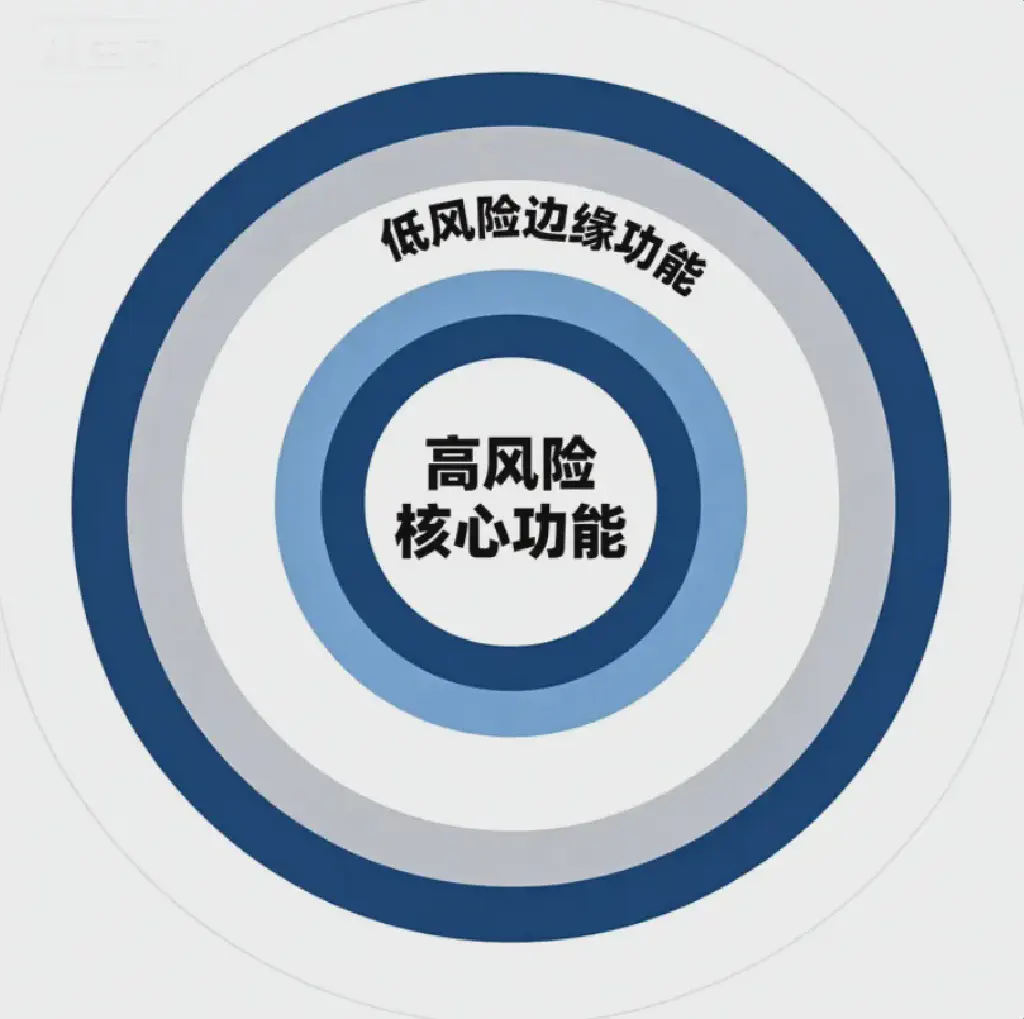
The cruel reality is that we can never have enough time to test 100% of the features. So testing smartly matters more than testing hard.
Together with product and development, define the risk level of each feature based on business impact, usage frequency, and code complexity.
- High-risk features (such as payment and login): Invest the most time and effort, doing in-depth, comprehensive testing.
- Medium-risk features: Execute core cases to ensure the main paths are fine.
- Low-risk features (such as text changes and color adjustments): Verify quickly, or even only verify online.
Apply limited testing resources precisely where they matter most.
4. Quality Is Not Free, It Is Expensive
“This requirement is so simple, why does testing take so long?”
Behind this sentence is an underestimation of the value of testing work.
At the early stage of project planning, all testing-related work - test analysis, test case design, test execution, automation script maintenance, and so on - must be treated as formal tasks and included in project scheduling and effort estimation.
Only when quality is regarded as a “first-class citizen” as important as feature development will it not be easily sacrificed.
5. An “All-Hands Quality” Culture

This is the most important and also the hardest point.
- Development should be responsible for code quality, writing clear, maintainable code, and completing necessary unit tests.
- Product should be responsible for requirements quality, providing clear, unambiguous requirements documents.
- QA should be responsible for the overall quality process, providing professional test strategies and risk feedback.
Only when everyone in the team regards “quality” as their own KPI will there no longer be mutual blame and buck-passing.
Everyone’s goal becomes aligned: to jointly build a product that satisfies users.
Closing Thoughts
“Not enough testing time” has never been an isolated technical problem; it is a process problem, a culture problem, and even more a team collaboration problem.
What we need is not more desperate testing, but a healthier, more efficient collaboration system.
When quality is no longer the endpoint of a phase, but a belief that runs throughout; When QA is no longer a gatekeeper fighting alone, but a quality coach empowering the team!
Only then can the curse of “not enough time” truly be broken.