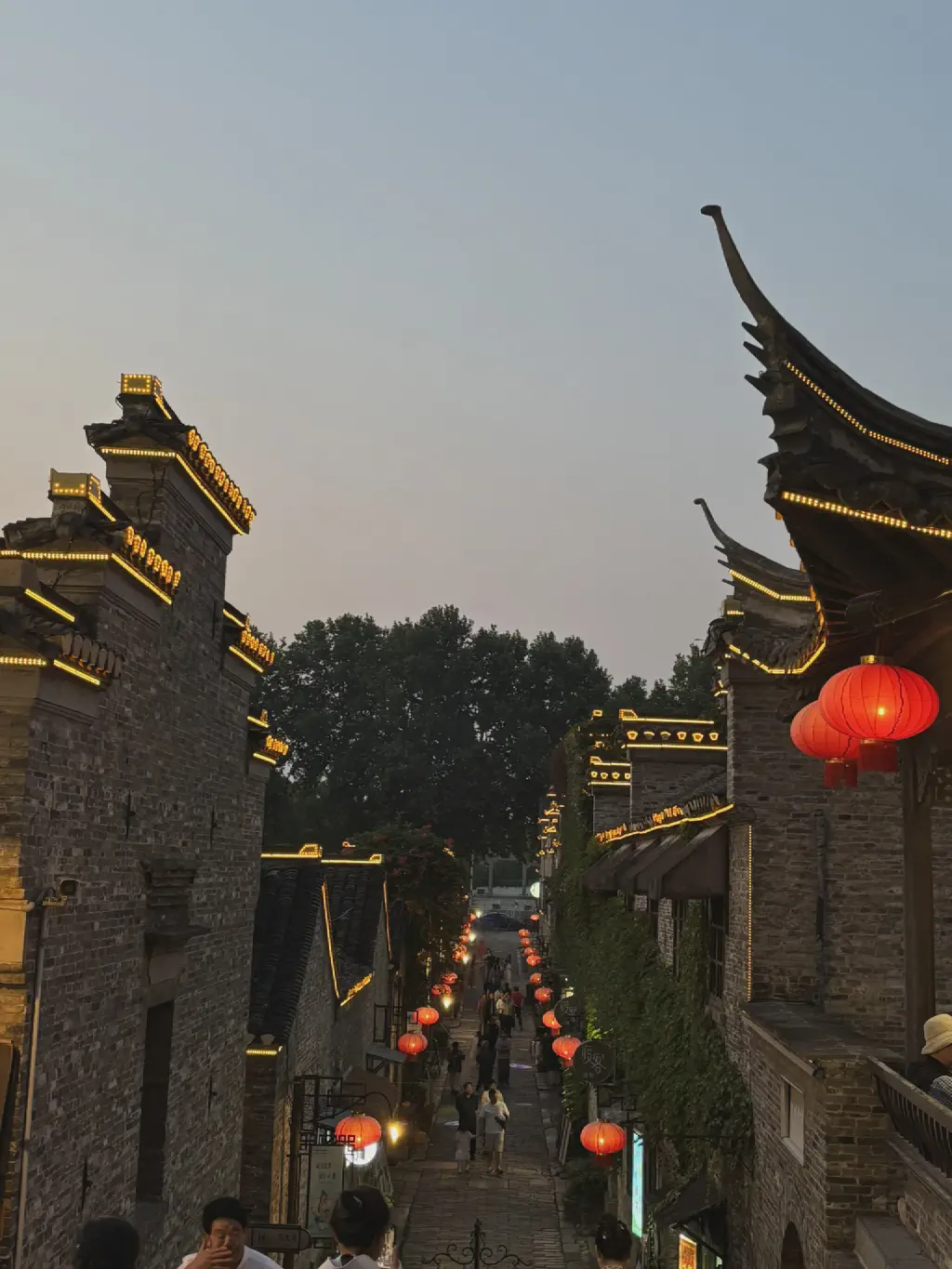
A popular internet meme about Nanjing tourism last year went: “You say spring is not late, and I arrive at Zhenjiang South!” Though it was said in jest, as a place that appears with striking frequency in ancient poems and old verses — Jingkou in the Three Kingdoms era, Runzhou in the Song dynasty, a vital crossing on the Yangtze, the old capital of the Wu emperor — Zhenjiang is indeed a delightful place to wander and enjoy.
The most famous sights in Zhenjiang are none other than the “Three Hills and One Ferry”. The three hills are all 5A scenic areas, and the one ferry is 4A as well; moreover they lie close to one another, making them perfect for a short outing. So I laid out a one-day itinerary and came for a visit~
Jinshan (Golden Hill)
The Three Hills and One Ferry all lie to the north of Zhenjiang, so by high-speed rail it is best to arrive at Zhenjiang Station. Exit from the North Square and head first to Jinshan. About three kilometers along North Zhongshan Road, reachable in roughly fifteen minutes by shared bike.
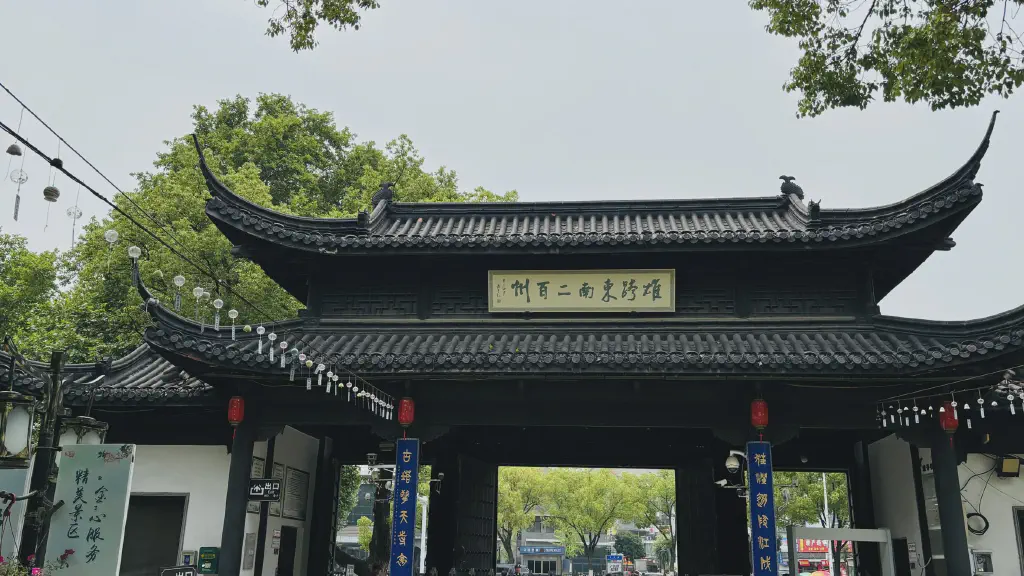
Jinshan Temple
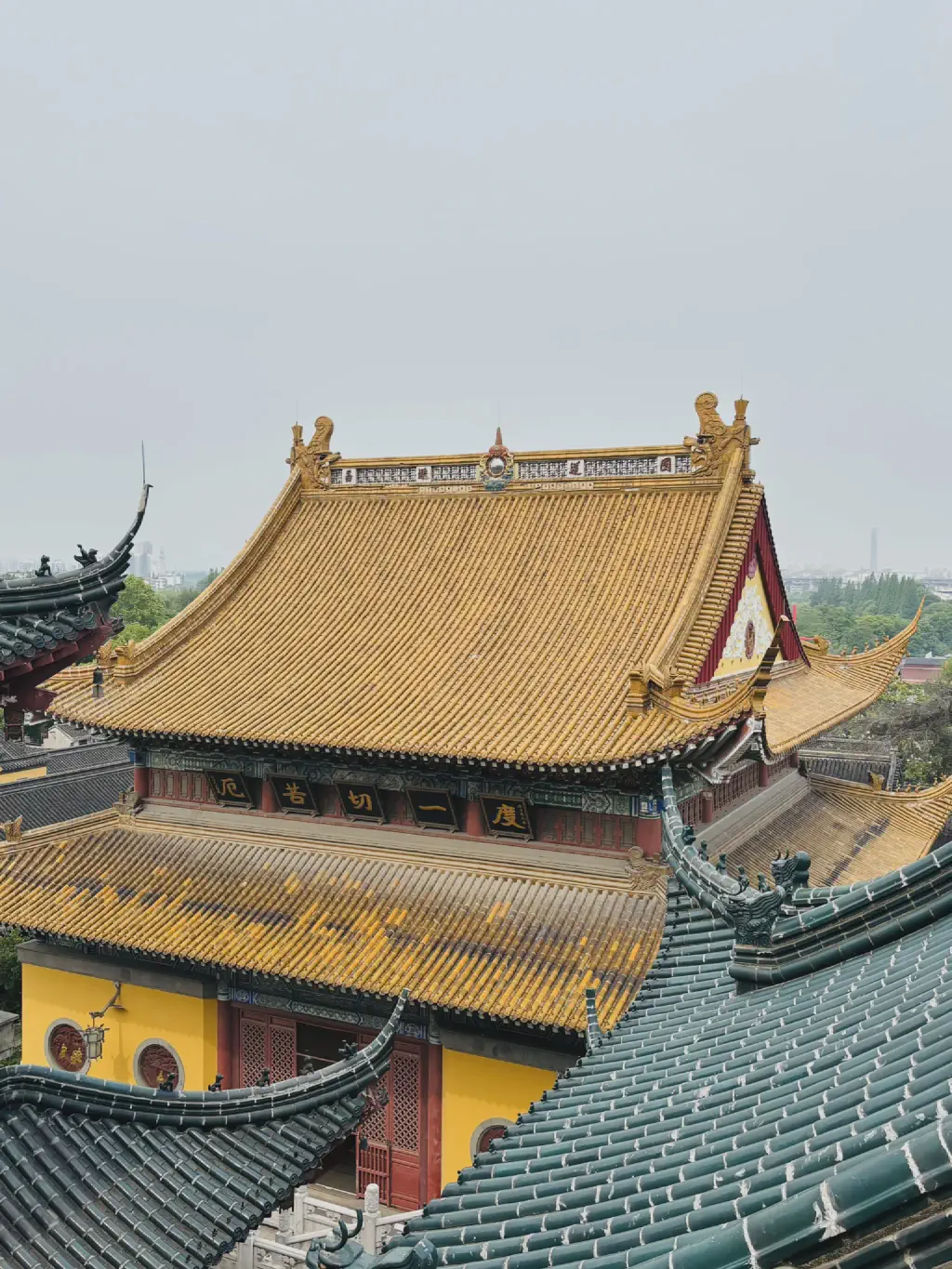
The most famous spot in the Jinshan scenic area is Jinshan Temple. Yes, that very Jinshan Temple from the Legend of the White Snake, the one flooded by the rising waters. And in real history, Jinshan Temple really did have a monk named Fahai.
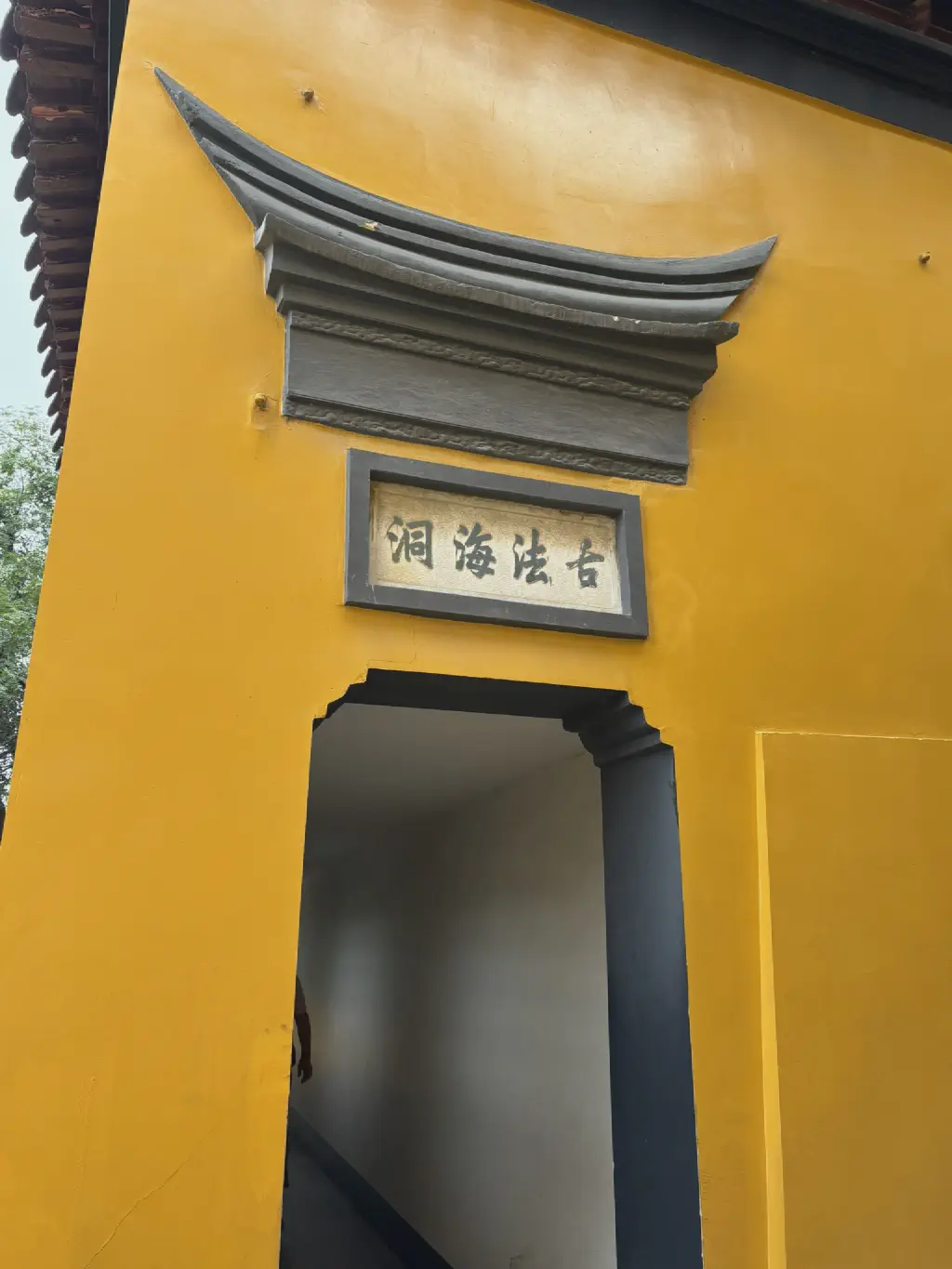
Jinshan Temple was first built during the Eastern Jin dynasty, and its incense has burned continuously for more than 1,700 years to this day; it is one of the four great temples of Chan (Zen) Buddhism (the other three being Putuo Temple, Wenshu Temple, and Daming Temple). The temple follows the contours of the hill, with buildings of every kind scattered across it, forming the distinctive “temple embracing the hill” layout. Jinshan Temple is also the birthplace of the Buddhist Water and Land Grand Dharma Assembly, first instituted by Emperor Wu of Liang and continuing for more than 1,500 years to the present.
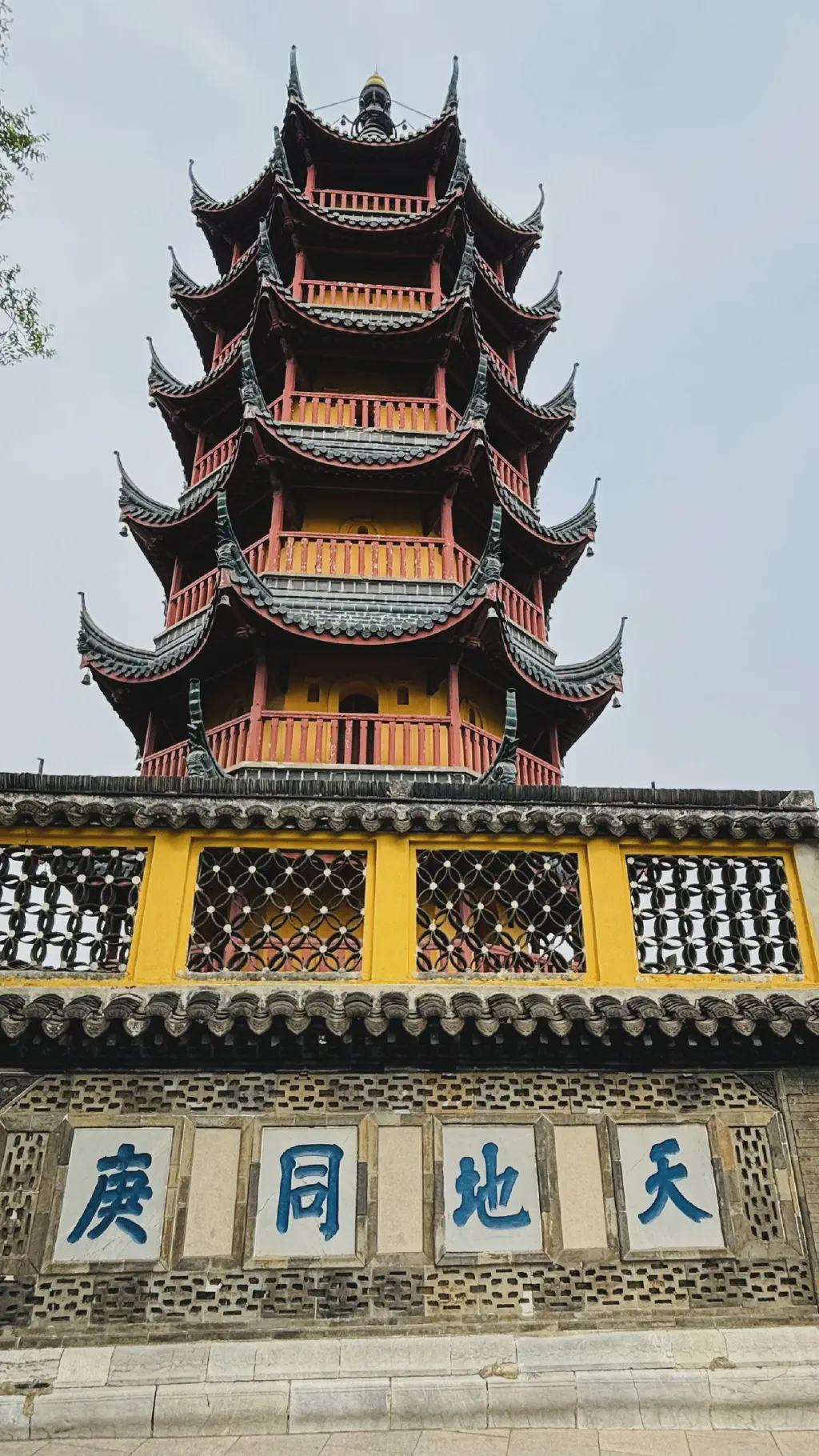
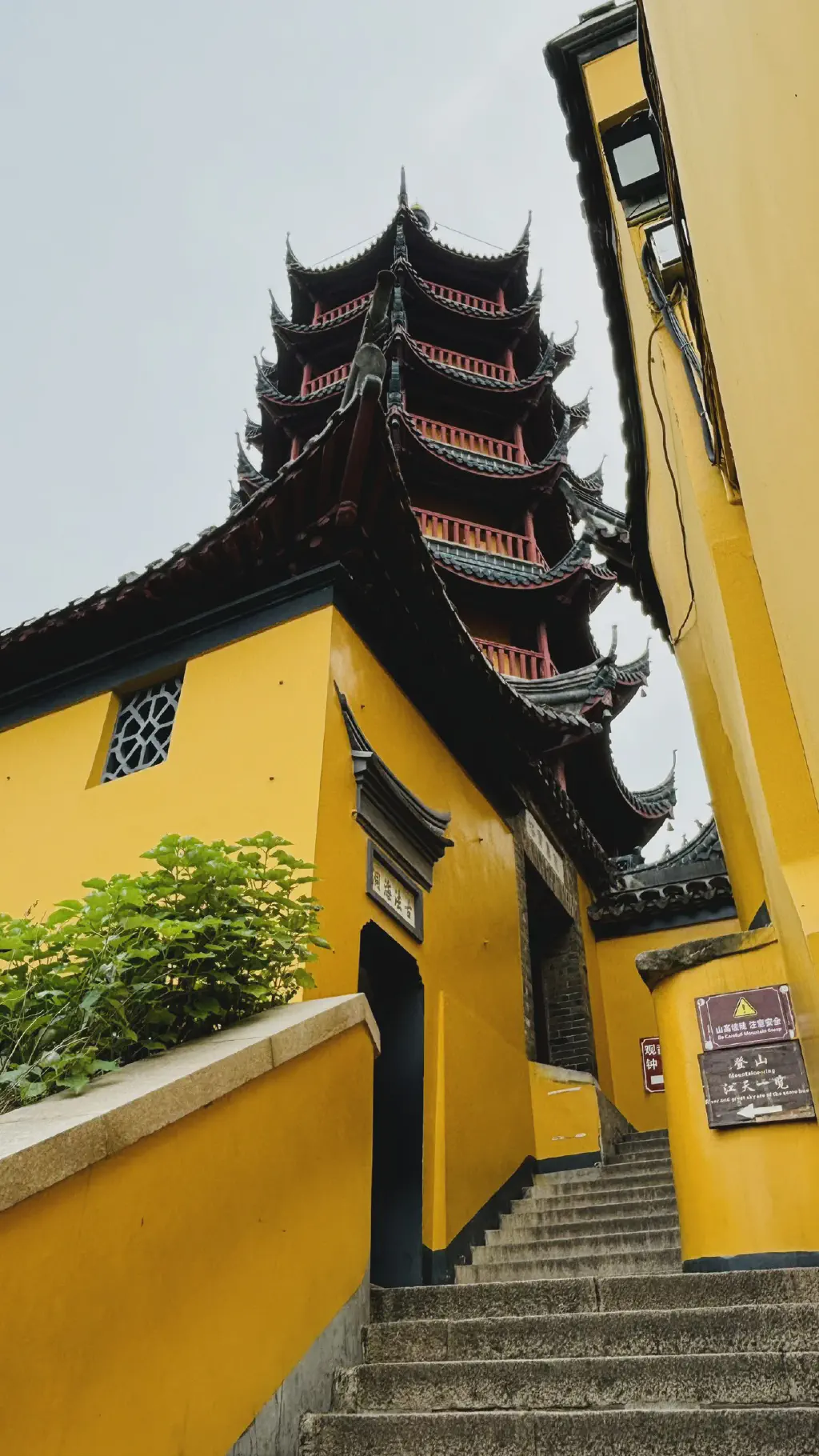
The landmark building of Jinshan Temple is the Cishou Pagoda within the temple, first built during the Qi and Liang of the Southern Dynasties and rebuilt many times since. The present octagonal, seven-story pagoda was built in the Guangxu reign of the Qing dynasty.
The First Spring Under Heaven - Zhongling Spring
Besides Jinshan Temple, the scenic area also holds a spring billed as the “First Spring Under Heaven” — Zhongling Spring. The five characters now carved on the stone wall by the spring were written by Wang Renkan, the top scholar (zhuangyuan) of the late Qing (Guangxu reign), while he served as prefect of Zhenjiang.
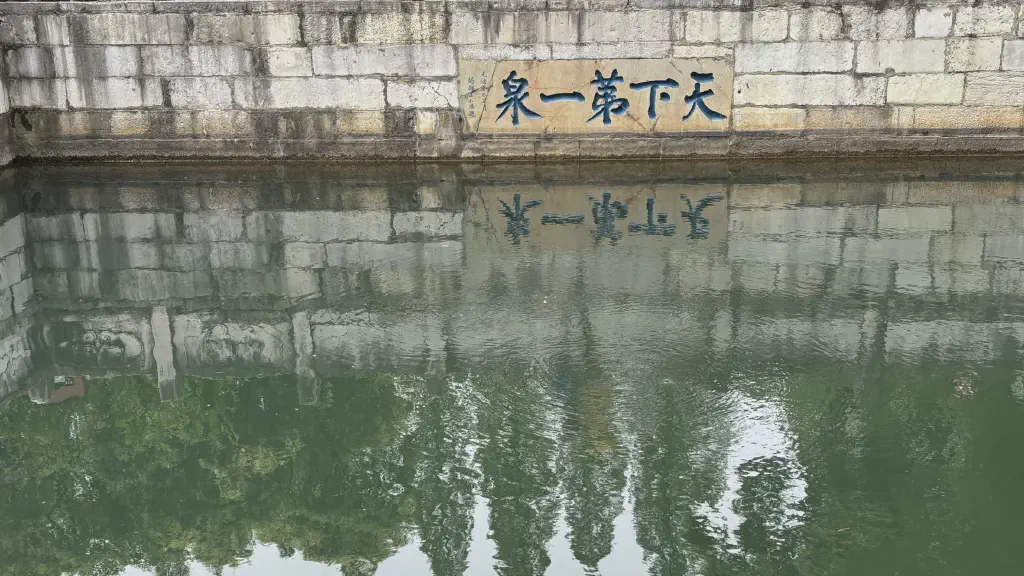
Wang Renkan served in Zhenjiang for three years, diligent in governance and caring for the people, and was held in high esteem. Not long after being transferred to serve as prefect of Suzhou, he fell ill from overwork and died young. A shrine to Wang Renkan was also set up here in his memory.
Furong Tower (Hibiscus Tower)
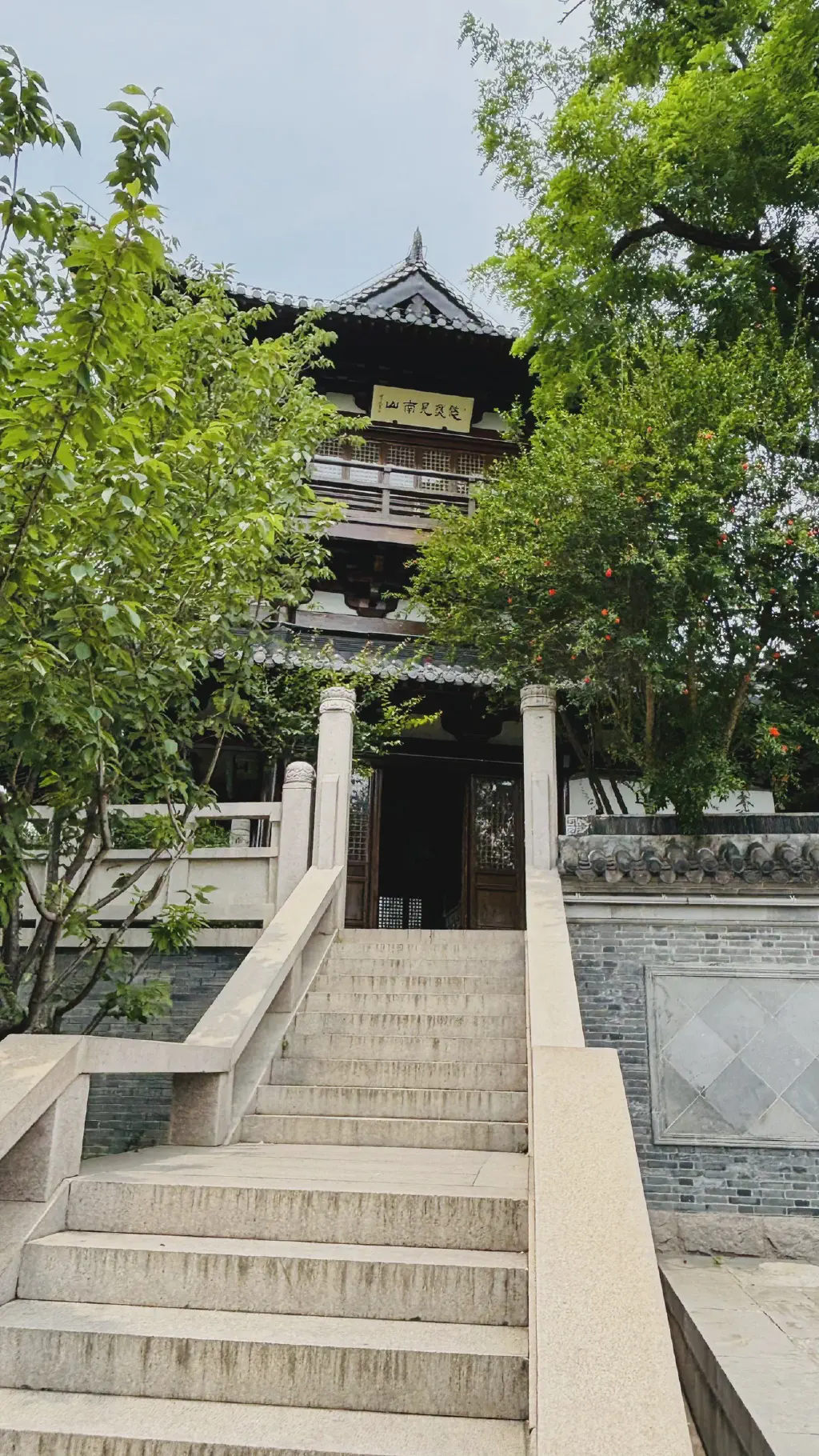
Another famous site in the Jinshan scenic area that has traveled through a thousand years is Furong Tower. This is the very Furong Tower from Wang Changling’s celebrated poem.
| |
The original Furong Tower, however, has long since vanished; the present one was rebuilt in 1992, and its inscribed plaque was handwritten by General Secretary Jiang Zemin.
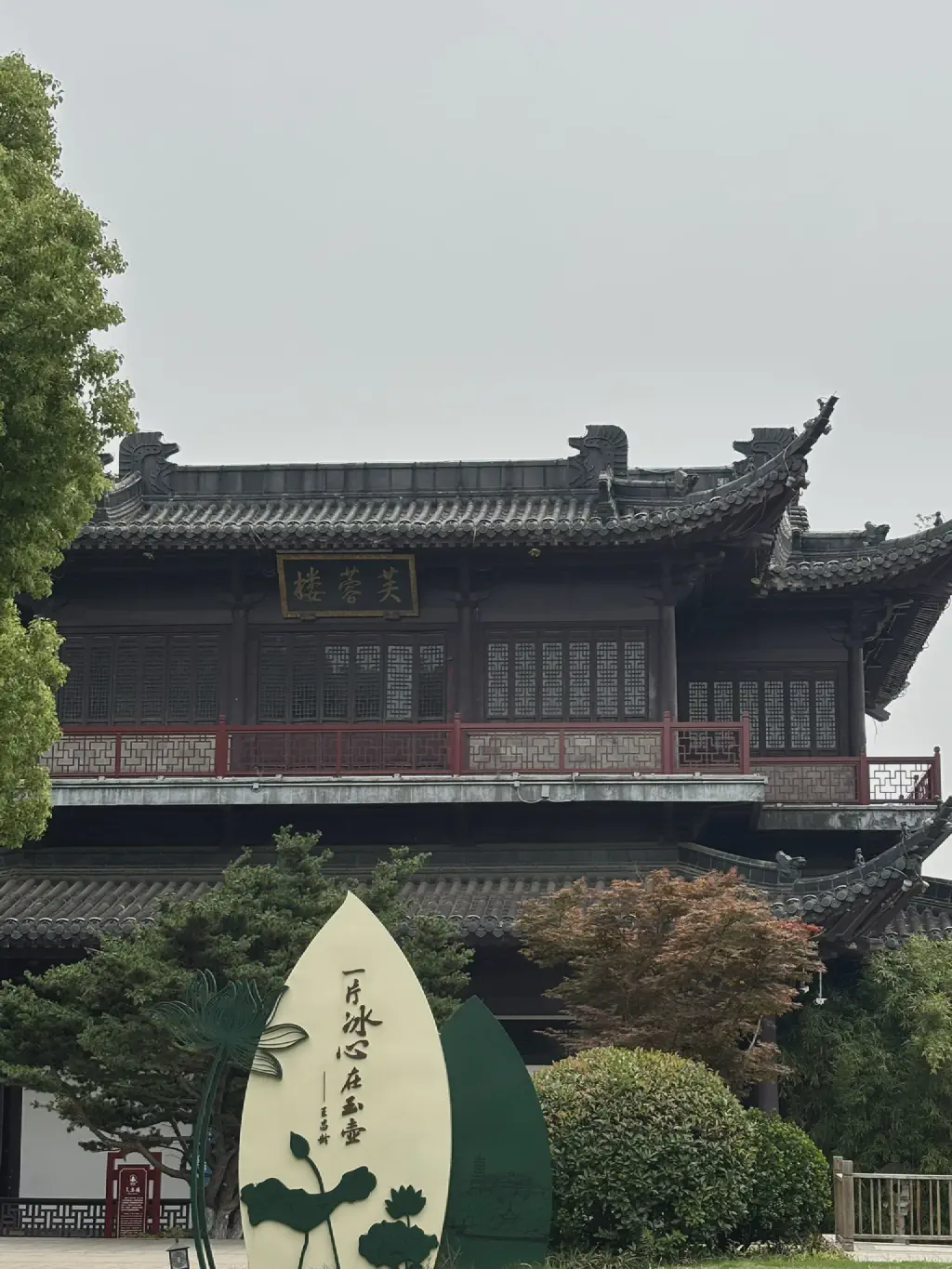
Lake light and hill colors, the twin pagodas gazing at each other from afar, the river breeze brushing my face — it is the very best season in Jiangnan~
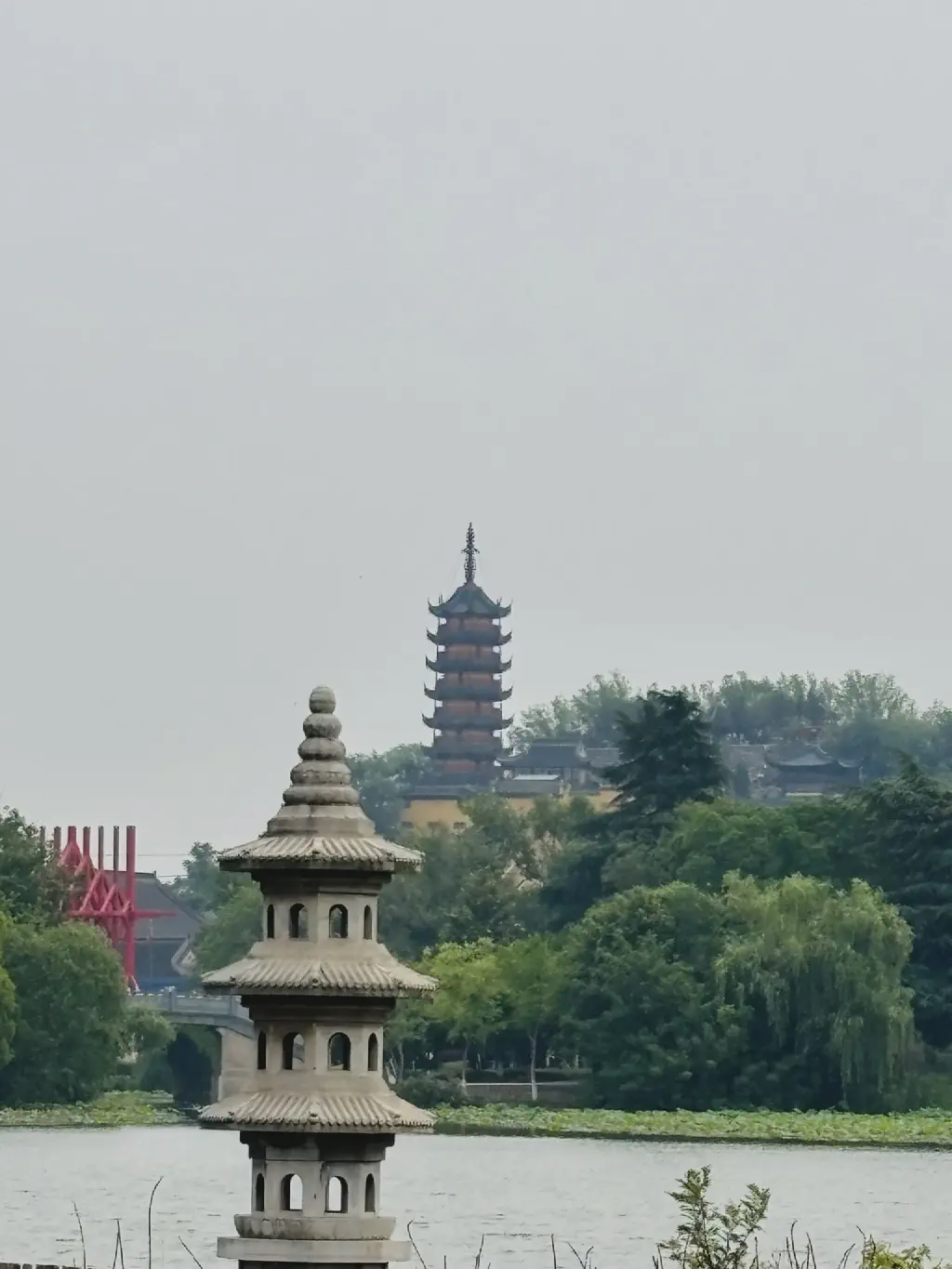
Beigu Hill
Leaving the Jinshan scenic area and heading west along Changjiang Road, four kilometers away lies the Beigu Hill scenic area.
This is another famous site steeped in history and culture — an old fortress of the Three Kingdoms, where men of letters through the ages have left countless traces.
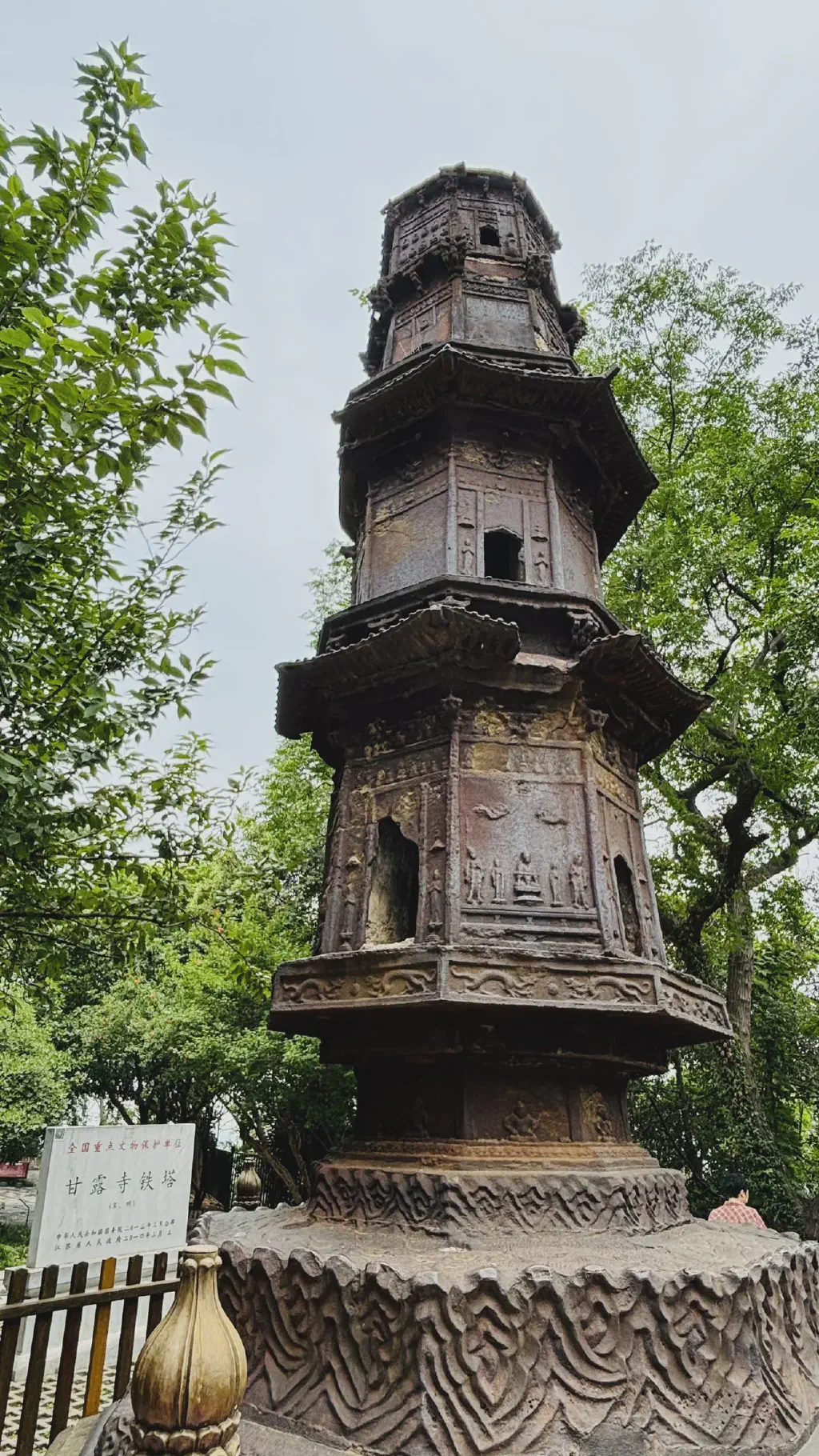
Ancient Ganlu Temple
Ganlu Temple is said to be the place where the historical tale “the Lady Dowager of Wu sees the bridegroom at the temple, and the Imperial Uncle Liu renews his match in the bridal chamber” took place. Liu Bei had borrowed Jingzhou and would not return it; Zhou Yu advised Sun Quan to lure Liu Bei to Zhenjiang (at that time Zhenjiang was the capital of Eastern Wu) under the pretext of a marriage alliance with his younger sister Sun Shangxiang. Zhuge Liang turned the trick to their advantage, and the feigned marriage became real — leaving behind the widely known proverb “Zhou Lang’s clever plan to settle the realm cost him the lady and lost him troops as well”.

After visiting this place, Su Dongpo also left a long poem, “Ganlu Temple”, expressing his feelings through the scenery, admiring the heroes and lamenting the impermanence of time and fortune.
Beigu Tower
And the reason Beigu Hill is so widely known cannot be separated from a ci poem — “Yong Yu Le · Meditating on the Past at the Beigu Pavilion of Jingkou”.
| |
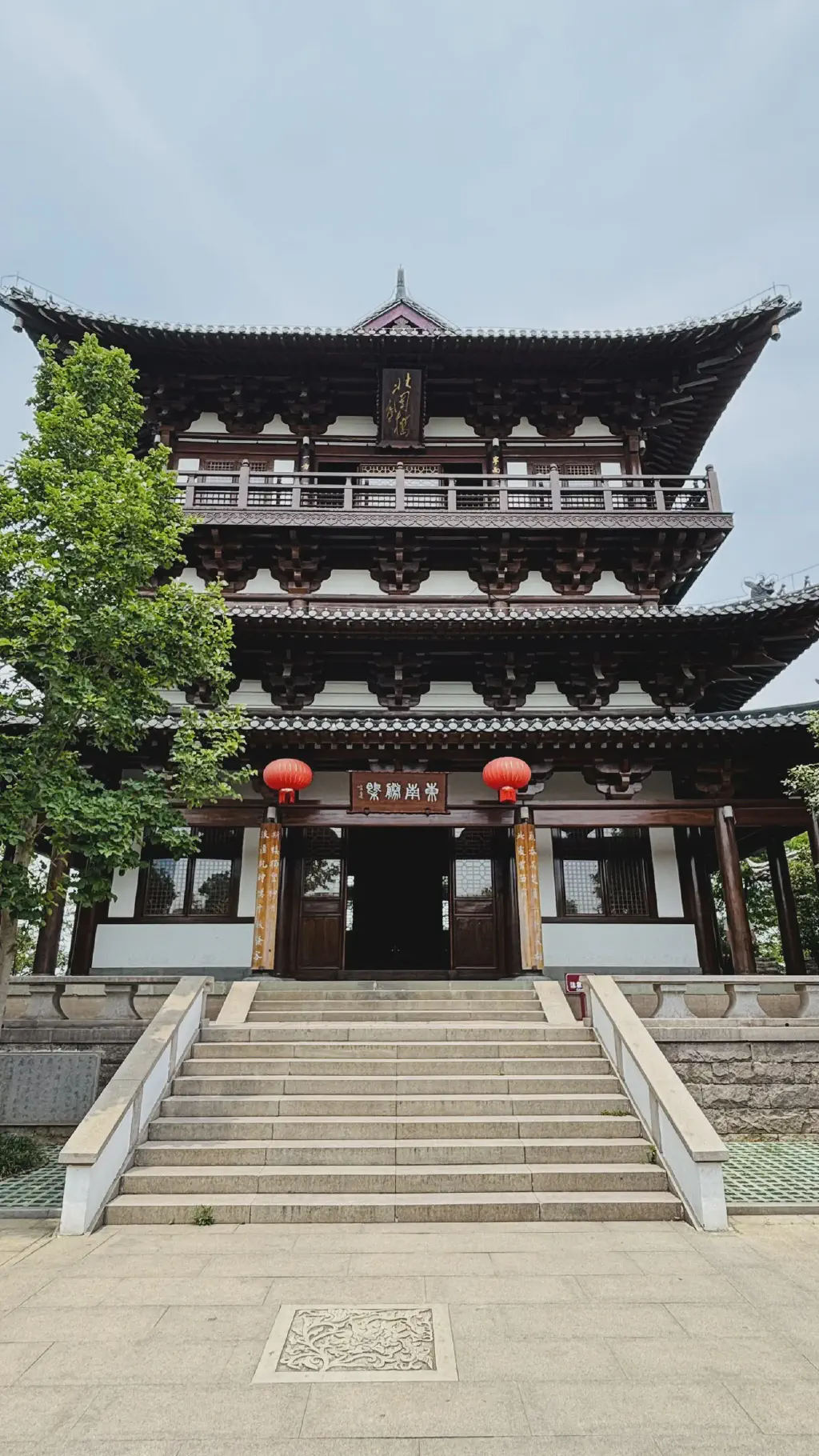
In fact, when Xin Qiji visited Beigu Hill, he wrote two ci poems; the other is “Nan Xiang Zi · Ascending the Beigu Pavilion of Jingkou”.
| |
Chairman Mao greatly admired these two ci poems, so inside Beigu Tower his handwritten copies of these two verses are also on display.
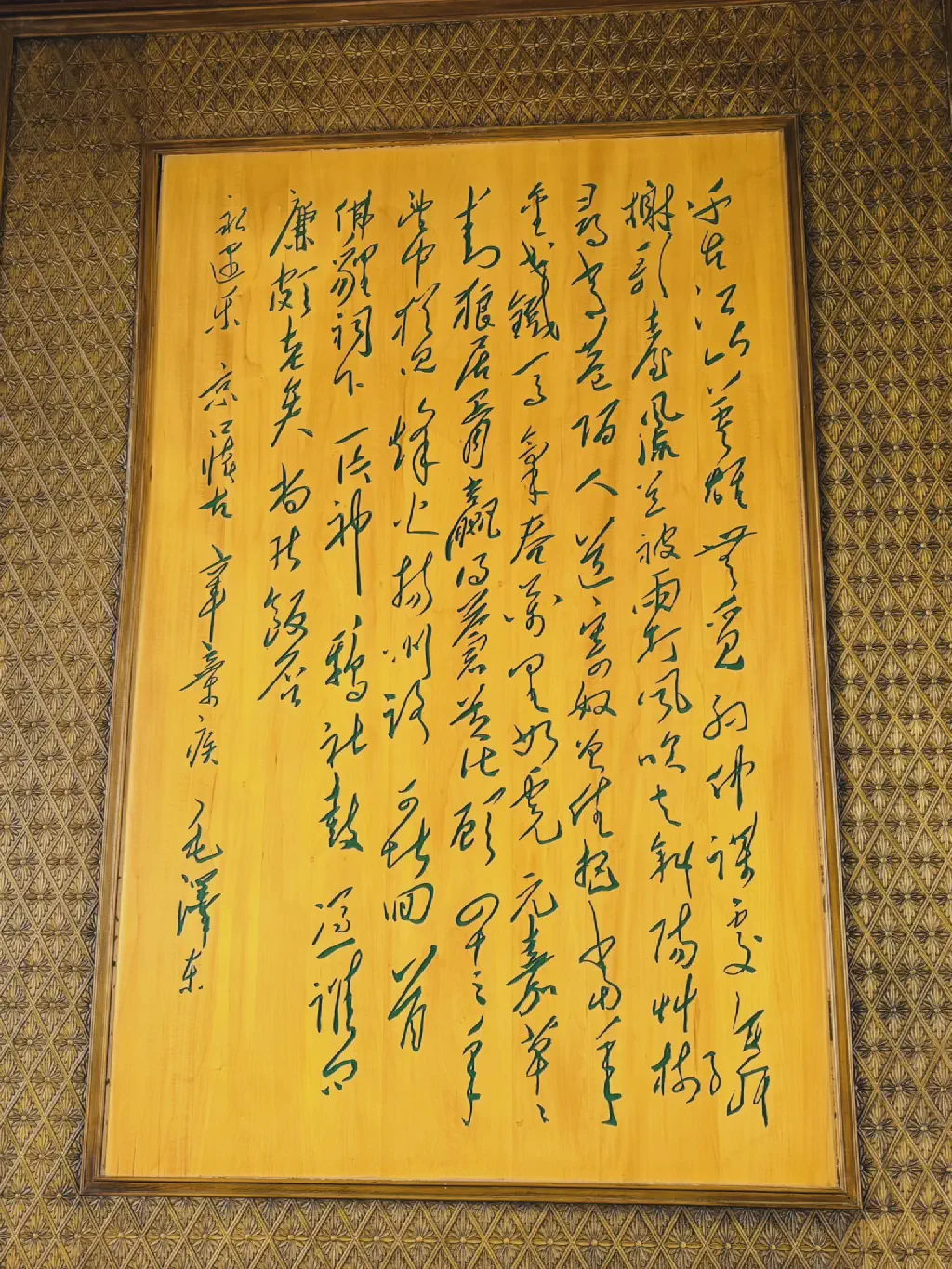
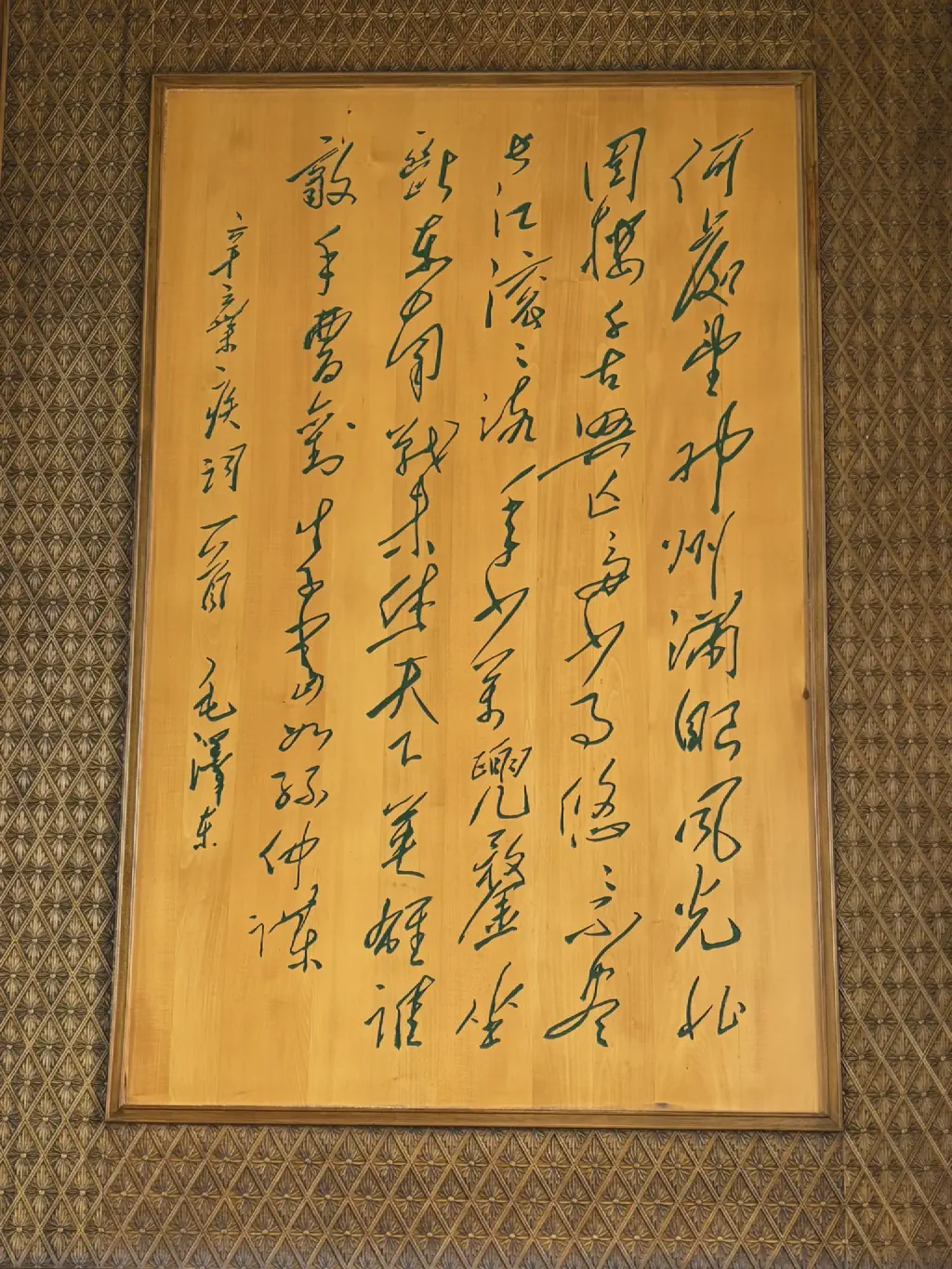
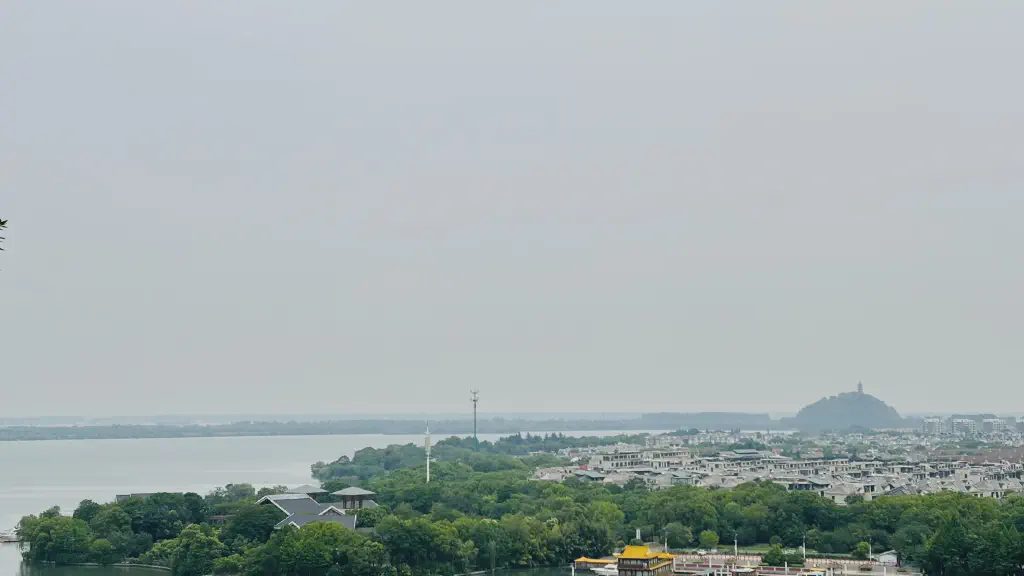
From Beigu Tower, watching the great river flow east and gazing afar at Jiaoshan, how can one not be stirred to boundless sighs over the land!
Duojing Tower
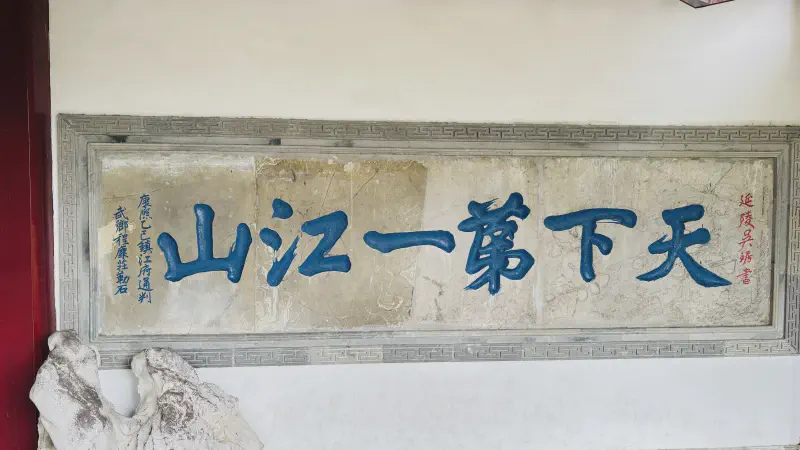
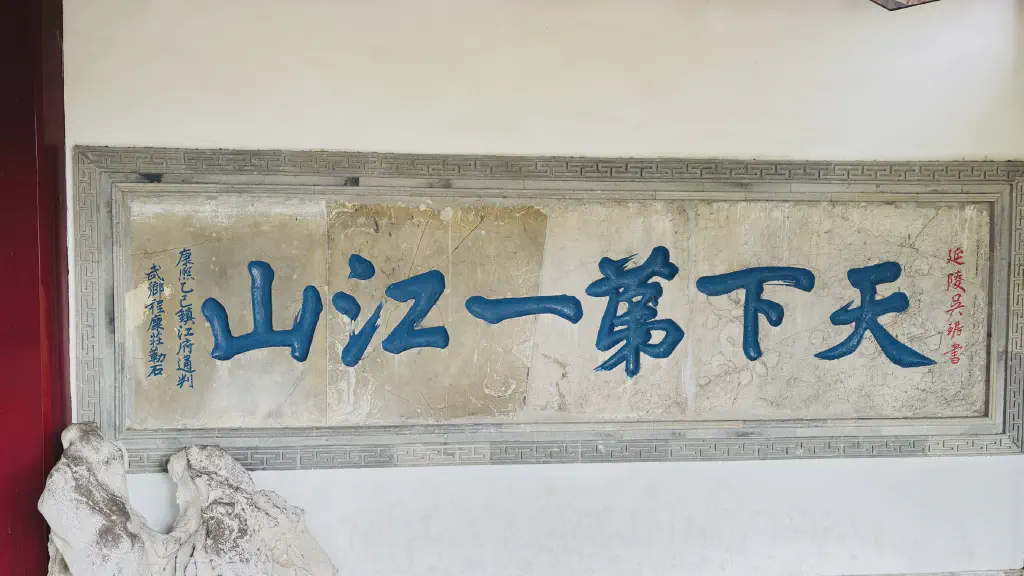
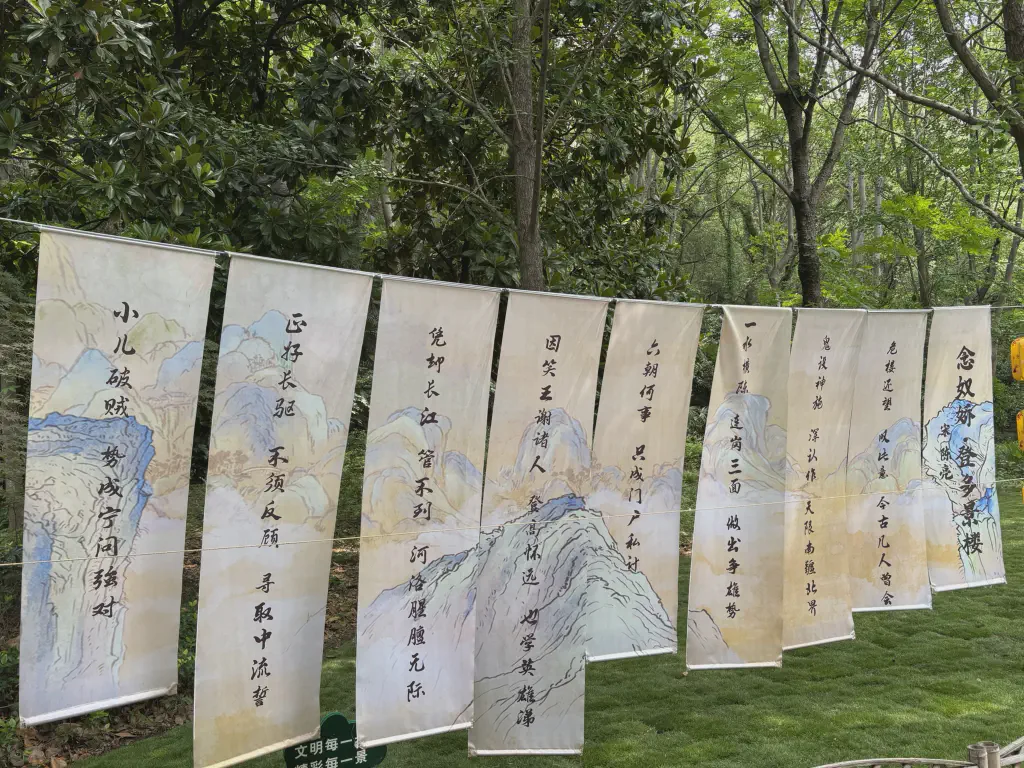
Behind and beside Beigu Tower once stood the famous “Duojing Tower”, ranked among the three great towers of the ancient Yangtze (alongside Yueyang Tower and the Yellow Crane Tower). Mi Fu once inscribed in his own hand “The First Tower under Heaven for Rivers and Mountains”, and men of letters through the ages — Su Shi, Zeng Gong, Lu You, Chen Liang and others — all left poems here!
What did the Six Dynasties achieve — nothing but private schemes for their own clans! It is said that in his later years, Chairman Mao wept uncontrollably upon reading this line~~ — it comes from Chen Liang’s “Ascending Duojing Tower”.
Besides the several famous spots on the hill, the scenic area also holds at its foot the tombs of Taishi Ci and Lu Su; Liu Yong, who wrote lyrics by imperial command, also rests here, though the exact location of his grave has been lost to history! For lack of time, I did not visit them one by one!
Jiaoshan (Jiao Hill)
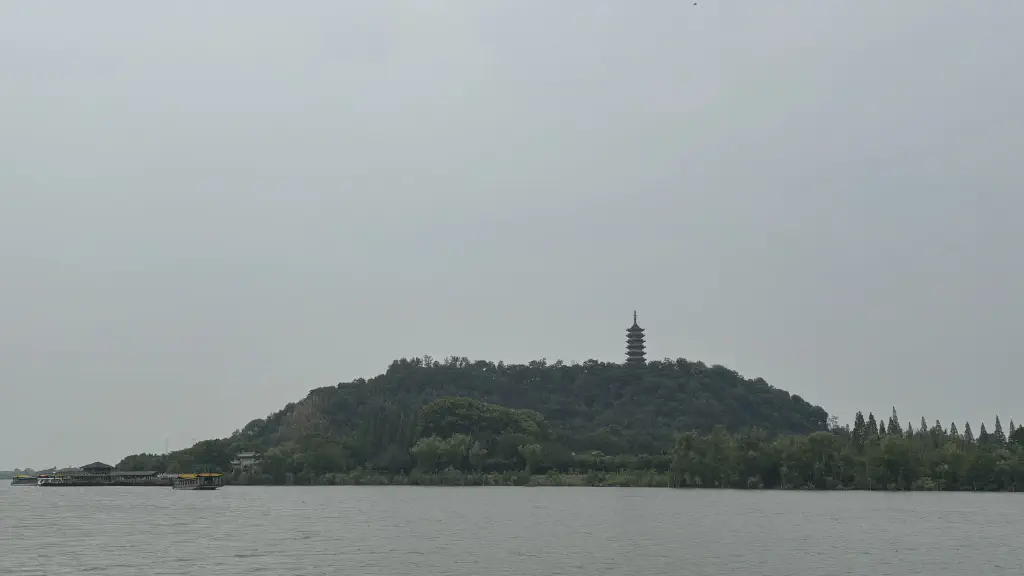
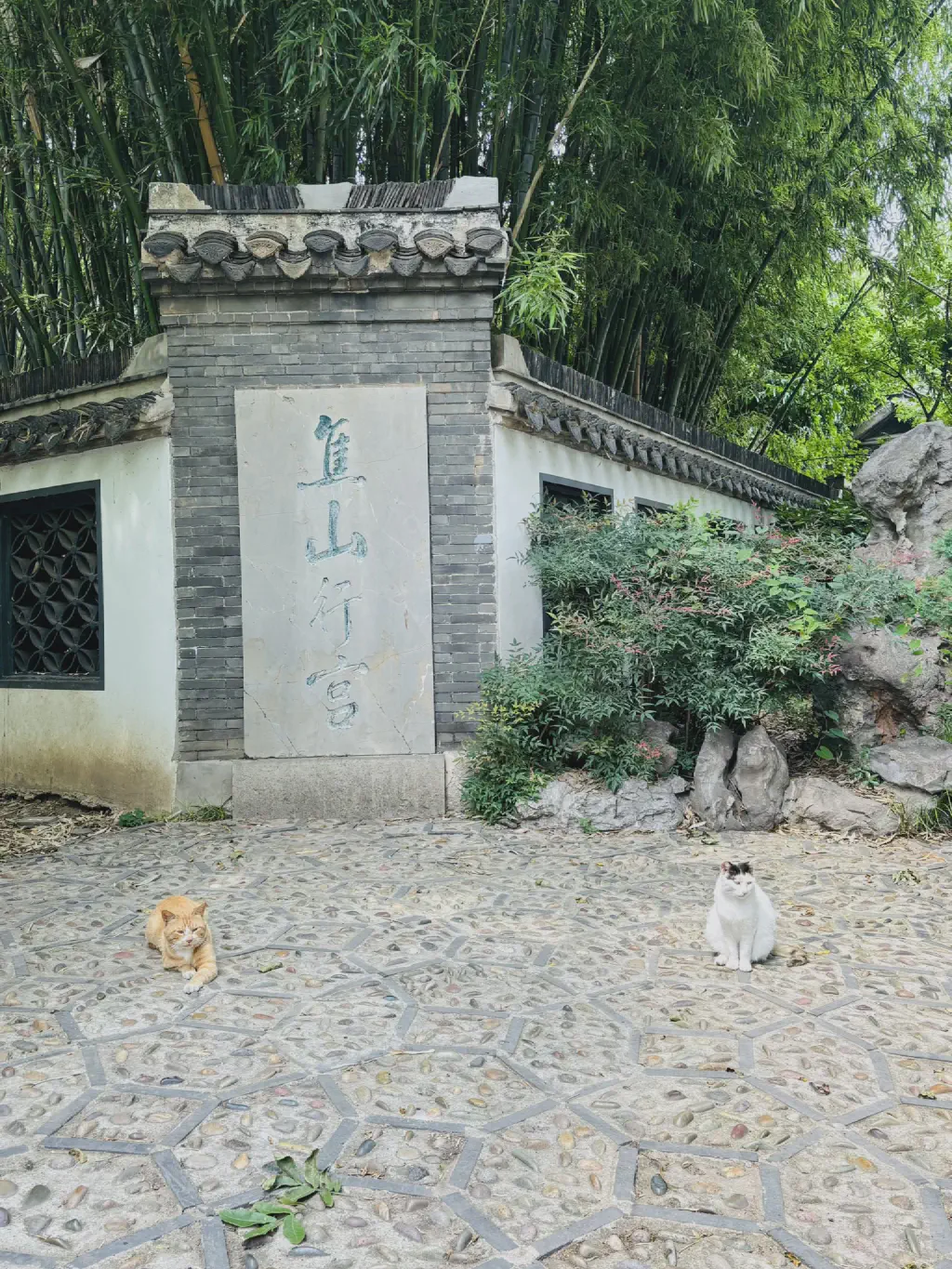
A little over four kilometers east of Beigu Hill brings you to the Jiaoshan scenic area. But Jiaoshan is in fact a solitary hill in the middle of the Yangtze, reached by ferry from the scenic area’s main gate.
Dinghui Temple
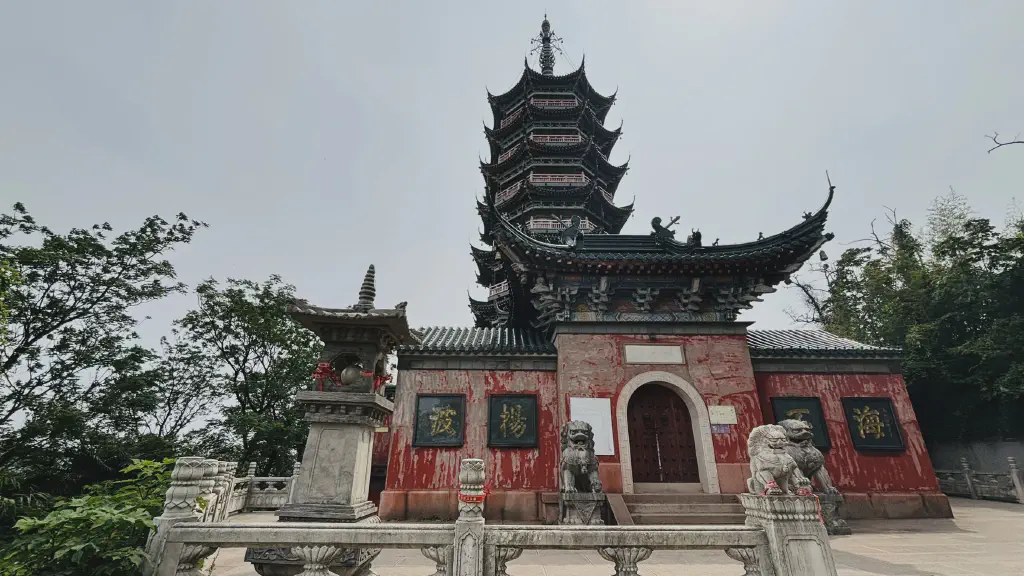
Jiaoshan takes its name from Jiao Guang, who lived in seclusion on the hill during the Eastern Han. The ancient Dinghui Temple on the hill is also a thousand-year-old treasure of a monastery.
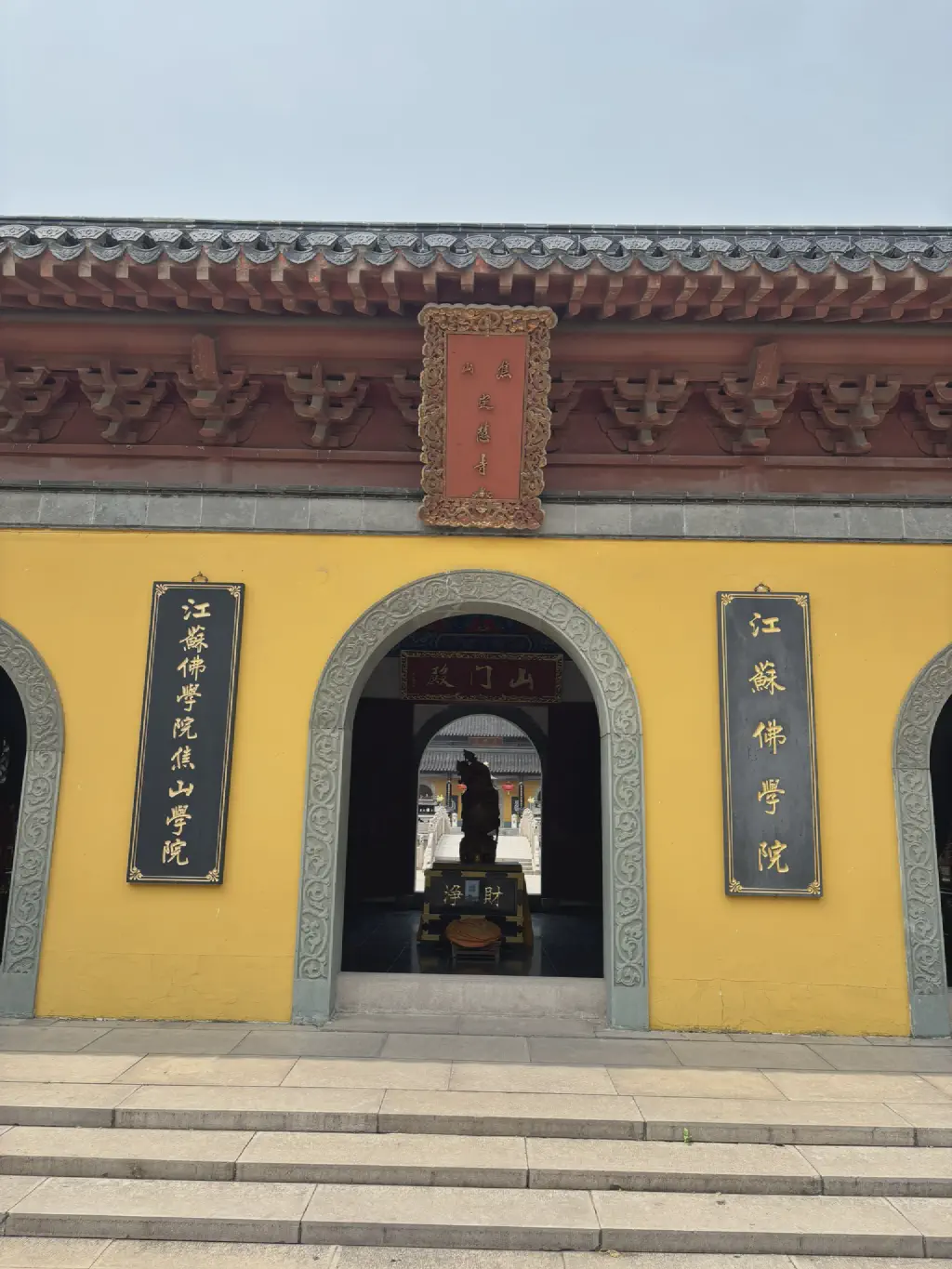
The Kangxi Emperor came here on his southern inspection tour, and the present temple name was also fixed by Kangxi and has been used ever since.
The scenic area’s landmark Wanfo Pagoda has weathered long years of change and stands towering, gazing down over the Yangtze.
Stele Forest
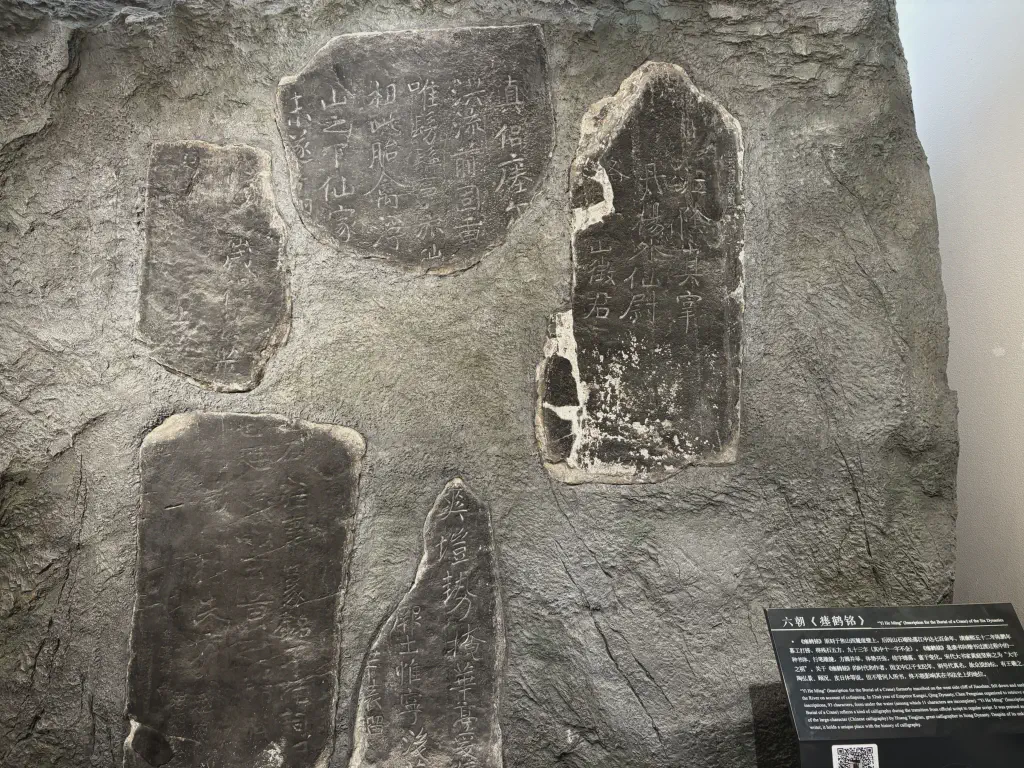
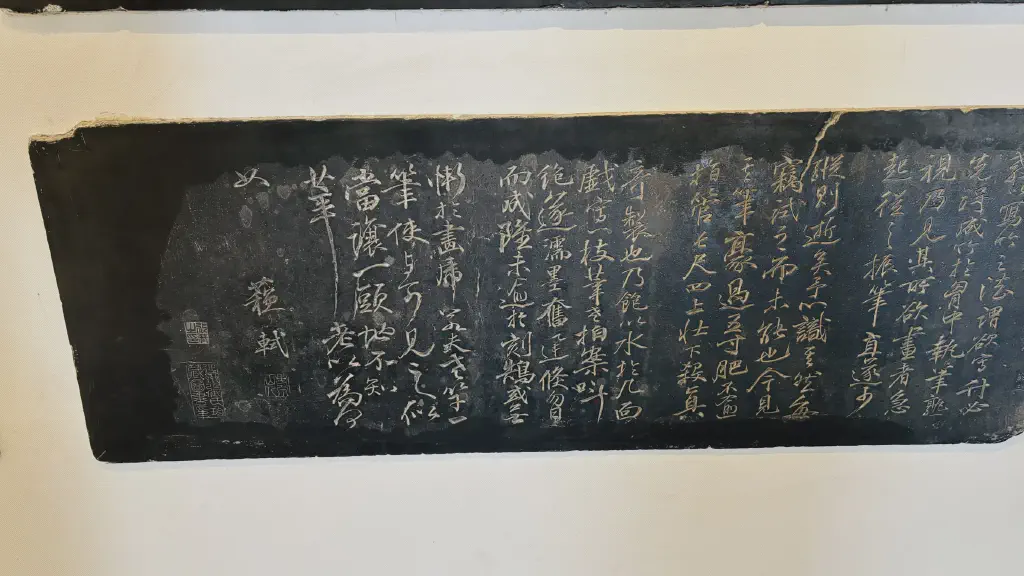
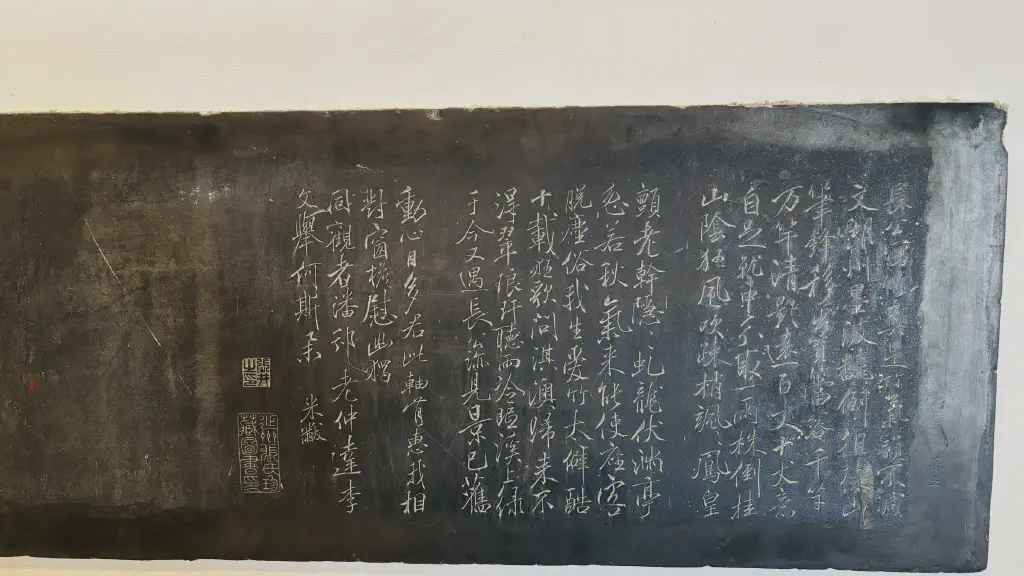
And the most celebrated thing about Jiaoshan, which has earned it the name “a mountain of calligraphy”, lies in its Stele Forest, holding more than five hundred ancient steles from successive dynasties and over eighty cliff inscriptions. There is even the treasure that guards the mountain, the Six Dynasties stone carving known as the “Progenitor of Large Characters” — “Yihe Ming” (Epitaph for a Buried Crane). In the Tang dynasty its lower half was struck by lightning and collapsed into the river; not until the Kangxi reign of the Qing, after three months of salvage, were five broken fragments recovered.
Besides, a great many treasures of celebrated masters are collected here — Wang Xizhi, Yan Zhenqing, Mi Fu, Huang Tingjian, Su Shi and others can all be seen, a gathering of worthies, truly a holy land for calligraphy lovers.
Xijin Ferry
Xijin Ferry lies at the foot of Yuntai Hill west of Zhenjiang city, bordering the Yangtze to the north. It was once an important ferry linking the south and north banks of the Yangtze, facing the ancient Guazhou Ferry of Yangzhou across the river. In old times people traveled by boat between Yangzhou and Zhenjiang, hence Wang Anshi’s line: “Between Jingkou and Guazhou lies but a stretch of water”. But as the Yangtze changed its course in modern times, Xijin Ferry is now more than 300 meters from the riverbank; no boats cross any more, though visitors throng. Still, the old lanes, the stone pagoda, and the bluestone steps go on telling of the currents of history and the warmth of everyday life.

Zhaoguan Stone Pagoda
Zhaoguan Stone Pagoda is the only Yuan-dynasty street-crossing stone pagoda in the country still preserved intact, and a landmark building of Tibetan Buddhism.
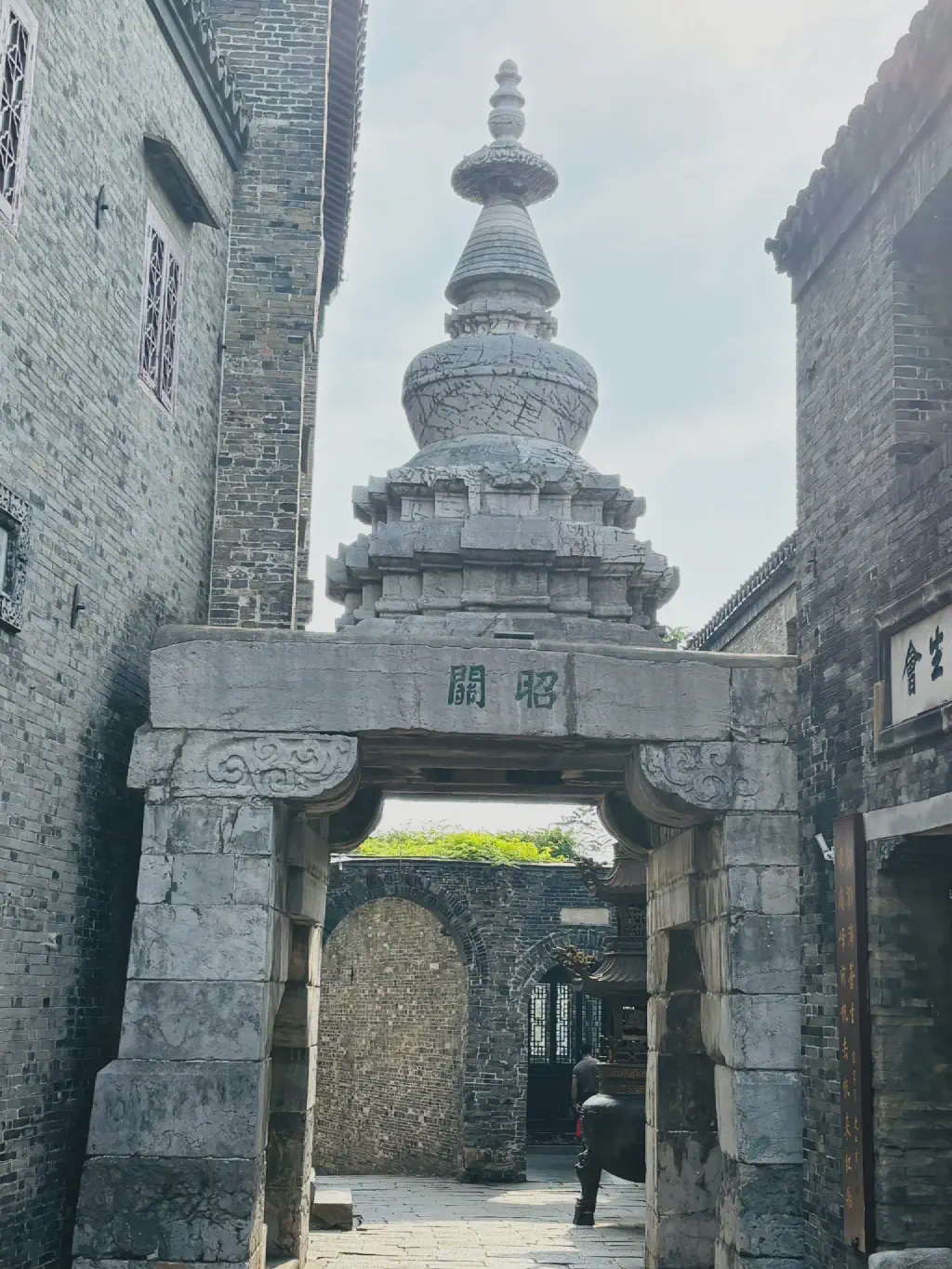
On the day of my visit I also came upon a Tibetan group touring here, singing and dancing beneath the stone pagoda — a scene of peace and prosperity.

Zhenjiang Museum
Zhenjiang Museum sits right inside Xijin Ferry. In every city I visit, the museum is a must-see — how could it be left out?
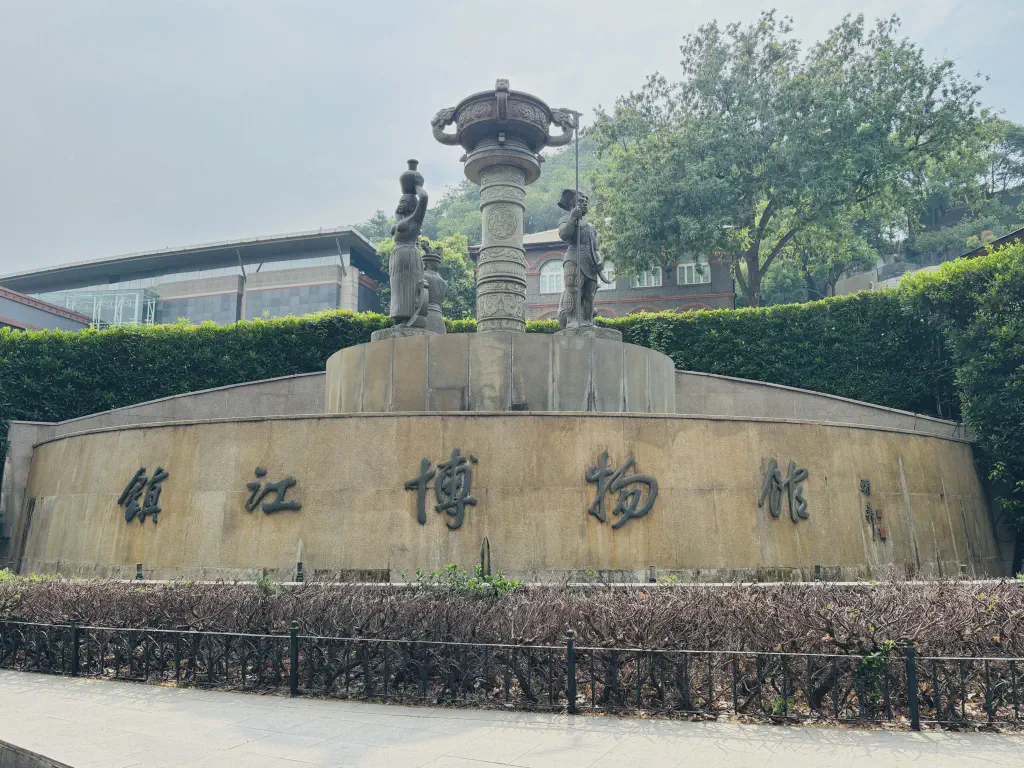
Unlike most other museums, which arrange their routes by chronological period, the halls here are classified mainly by the material of the collections. The holdings are not exactly rich, yet they are not without fine pieces.
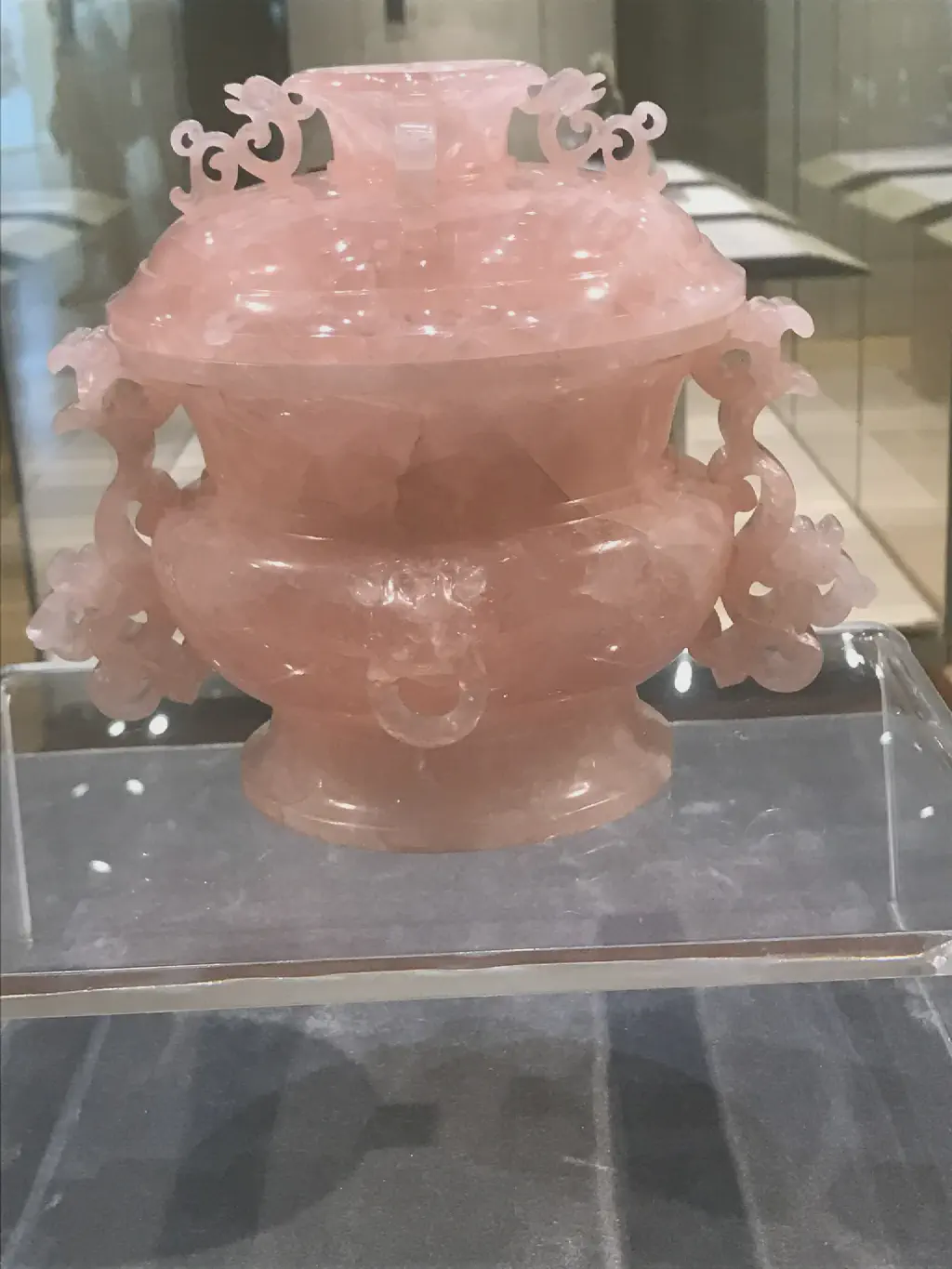
Naturally this includes the highly popular Qing-palace “Hibiscus Stone Lidded Vase with Flower-and-Bird Pattern”.
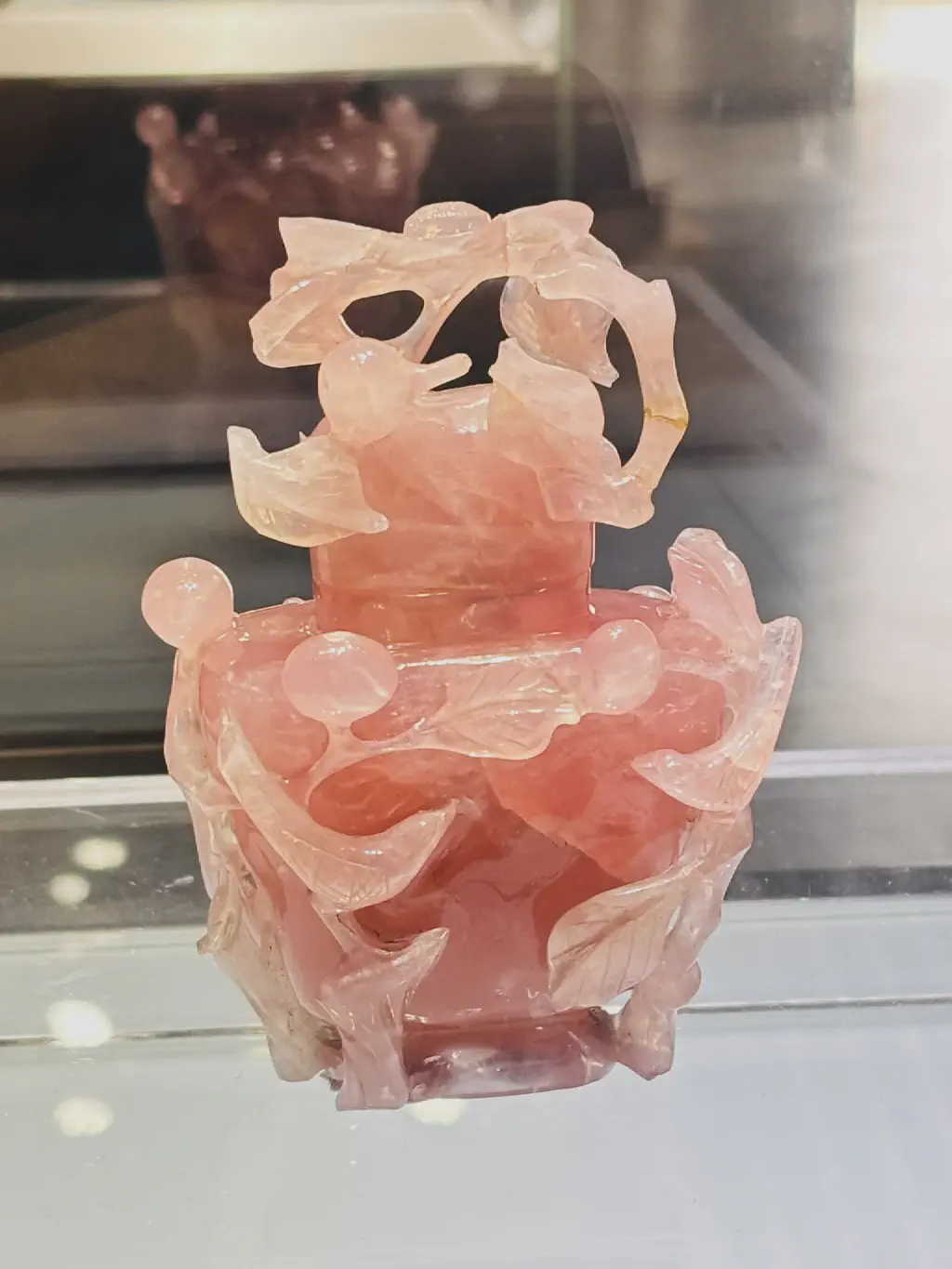
Together with that “Hibiscus Stone Incense Burner with Coiled-Chi Handles” in the Nanjing Museum, they are hailed as a matched pair.
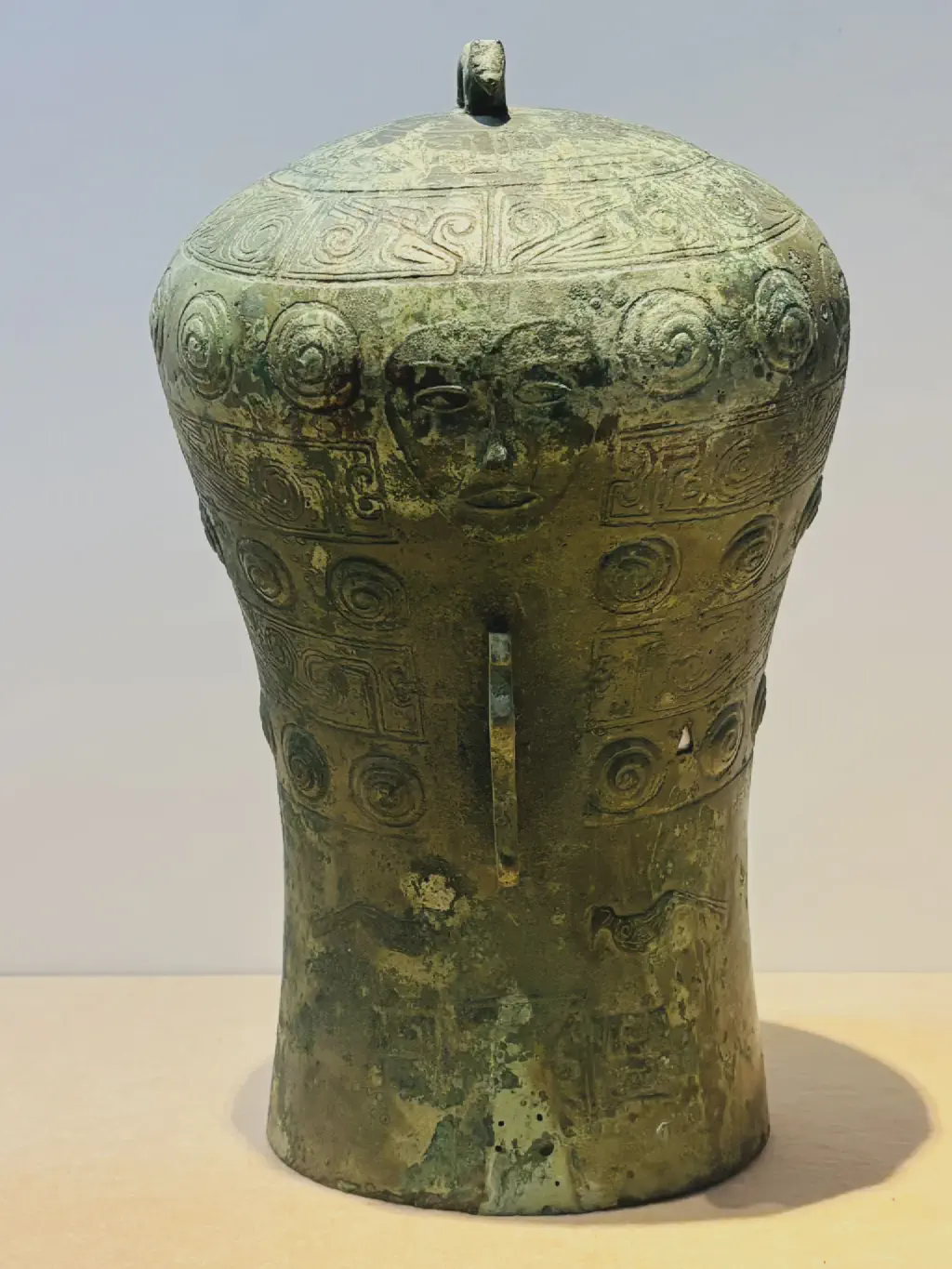
Bronze Chunyu with Human-Mask Pattern
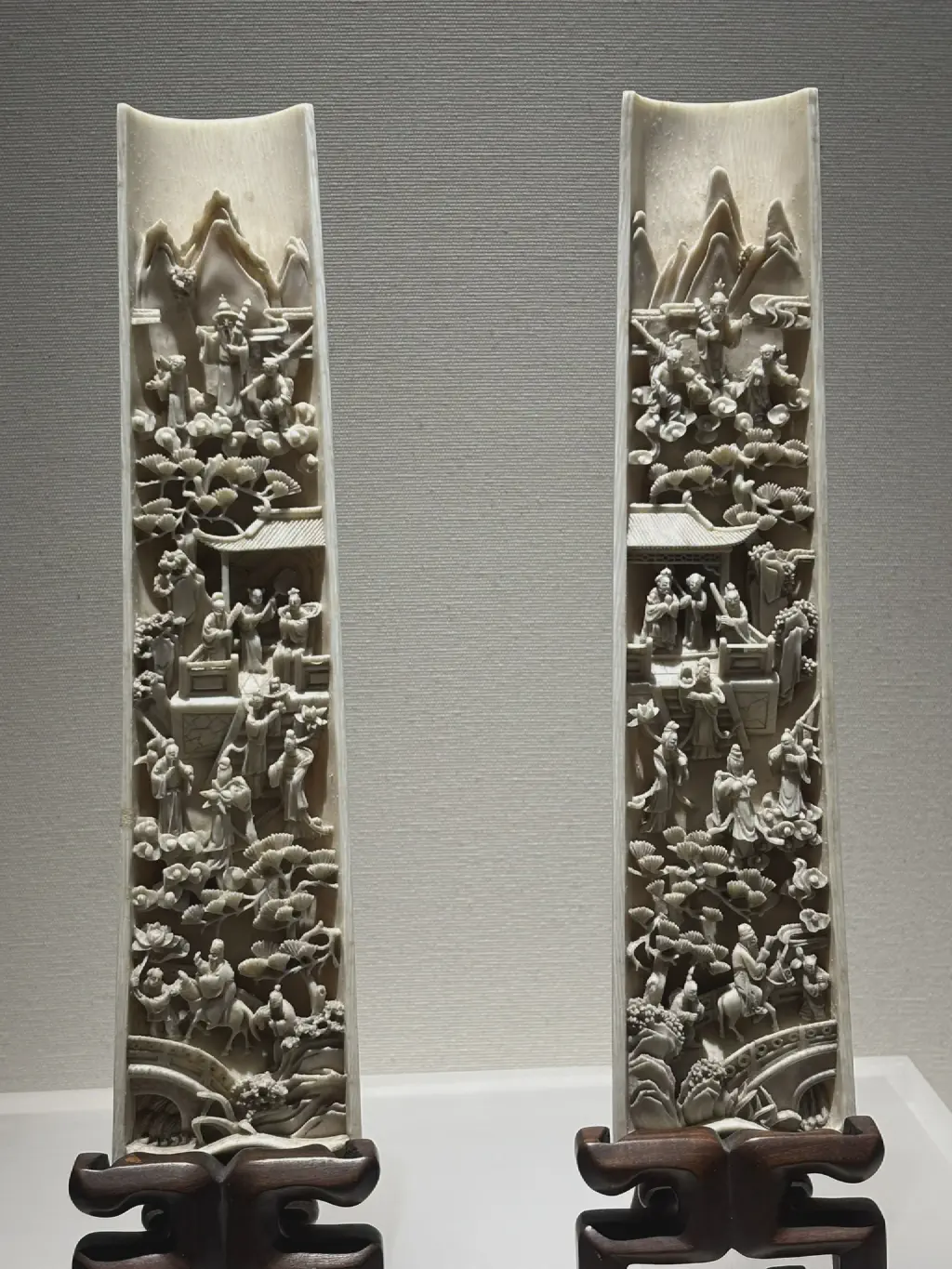
Ivory Wrist Rest with the Eight Immortals Offering Longevity
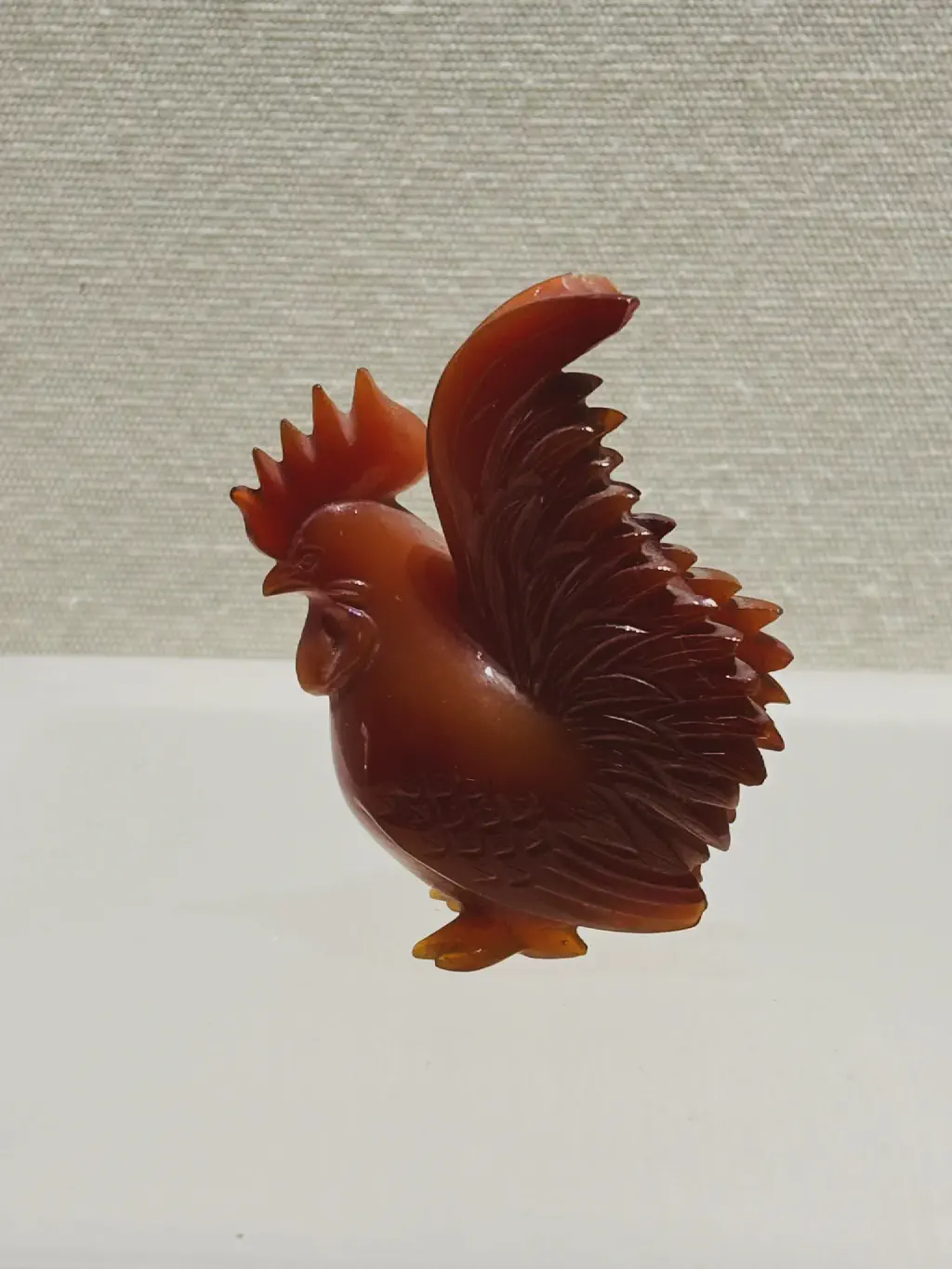
Agate Chick
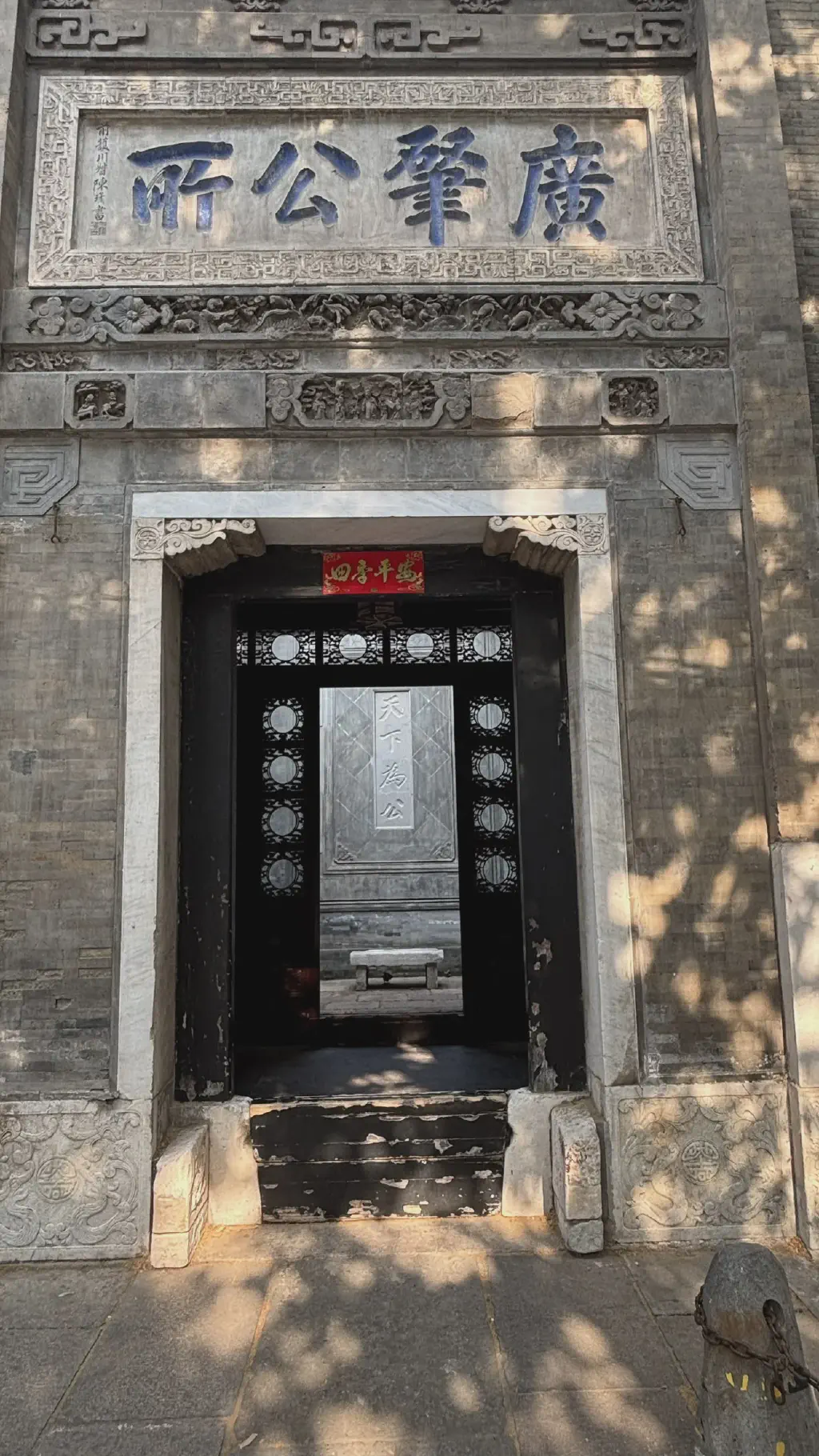
Outside the museum, across the way, stands the Guangzhao Guild Hall, built by Cantonese merchants in Zhenjiang; Sun Yat-sen once gave a speech here to advocate the revolution.
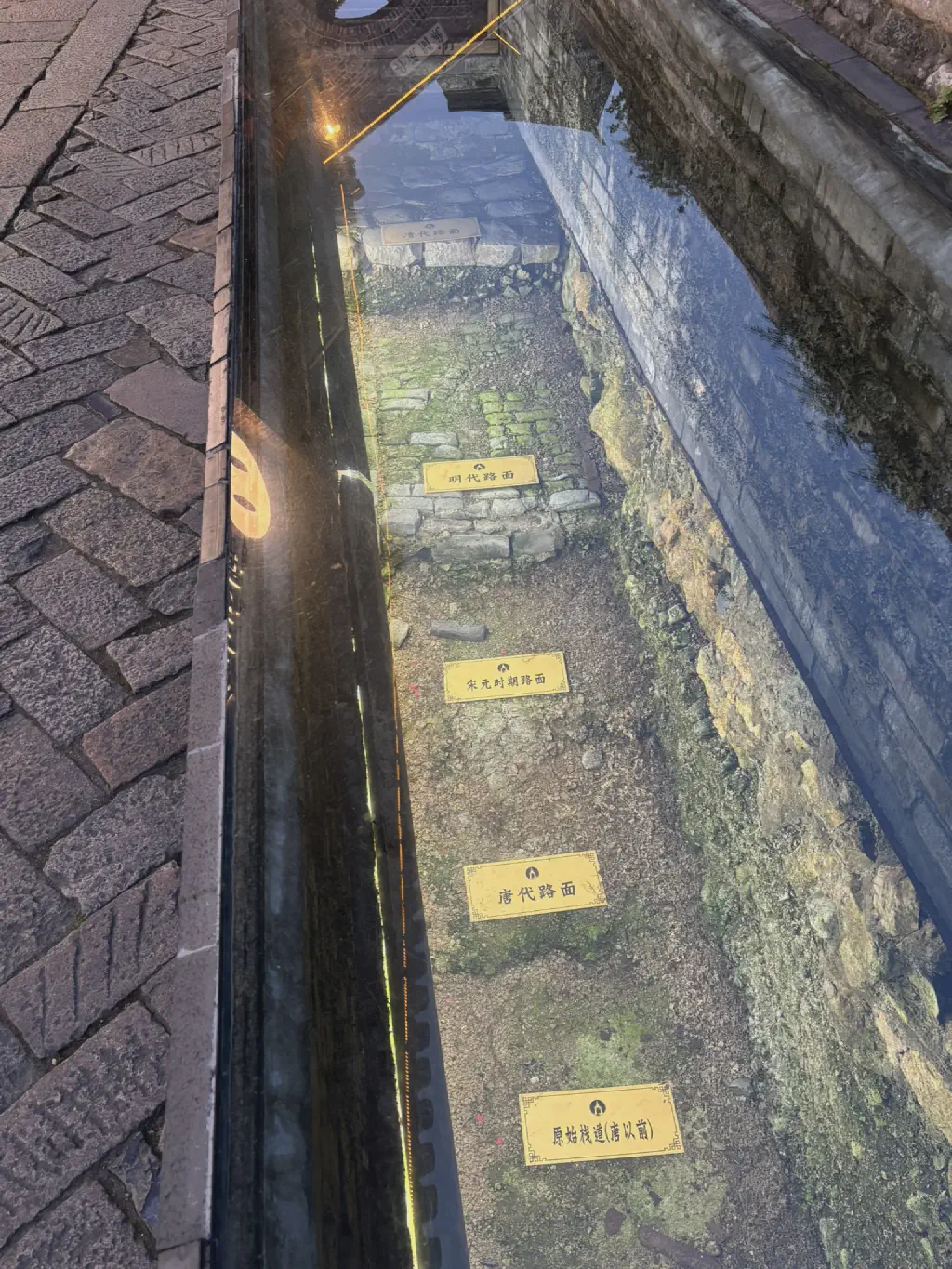
A single glance spans a thousand years — from the different layers of soil beneath the pavement here, one can directly sense the historical traces of the different dynasties.
Tired from wandering, I went to check in at the scenic area’s internet-famous restaurant, “Miss Zhou the Second Young Lady’s Cuisine”. After pleasing my palate, as dusk gathered on all sides and the first lamps came on, I brought this journey into the past to a close in the mild evening breeze of late spring.