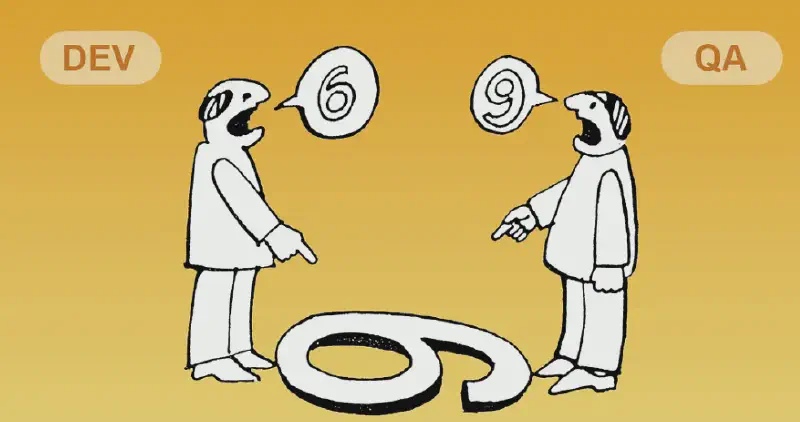
A reader asked: on a team, developers and testers often run into friction and conflict — how do we avoid such conflicts within the team?
The Origin of Conflict
In a team, conflict between members is actually perfectly normal and very hard to eliminate entirely. The causes vary, but in poor teams conflicts are more likely to arise: mismatched goals and expectations, lack of trust, and poor communication are all common reasons that conflicts arise and even escalate.
Must Conflict Always Be Avoided?
From the standpoint of the project and the product, the friction and conflict between developers and testers isn’t entirely a bad thing. Nor should we take it for granted that conflict must always be avoided.
In many R&D project management practices, the conflict between developers and testers is called constructive conflict — that is, this kind of conflict is constructive for improving product quality, and product quality gets improved through the two sides’ conflict-focused discussions on specific issues.
This idea in fact aligns with how conflict management classifies conflict types.
In conflict management theory, using the two dimensions of how important the matter behind the conflict is and the interpersonal relationship, conflict types can be divided into the following four categories:
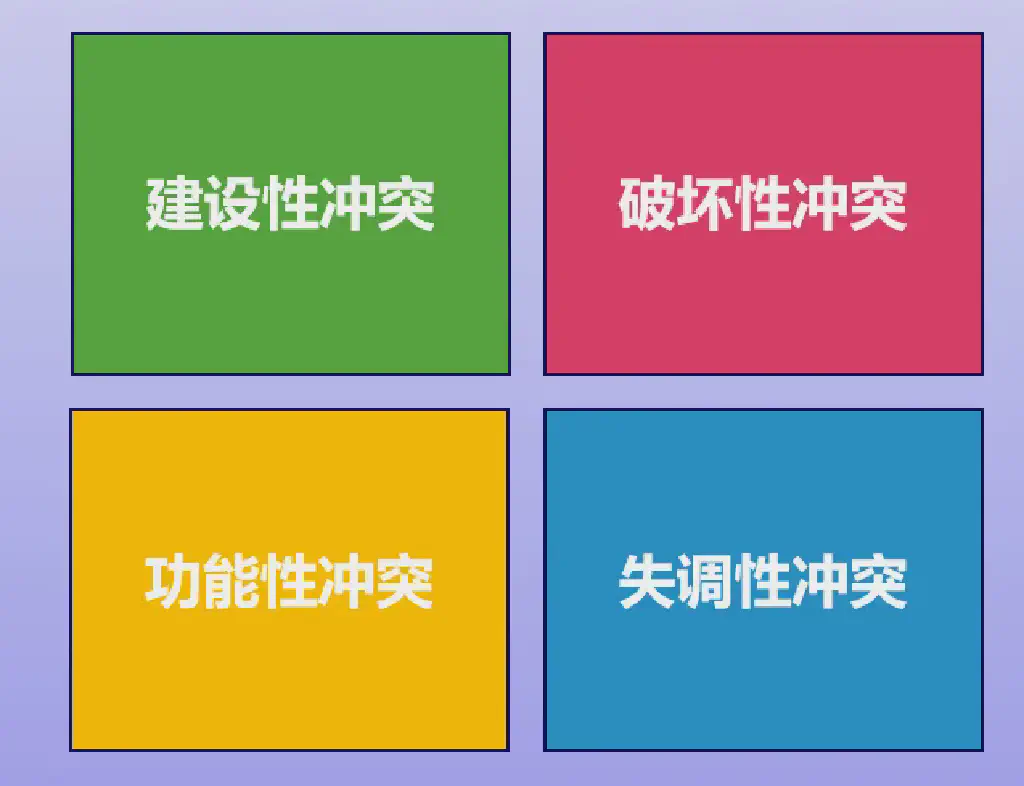
Constructive conflict: The conflict is task-related, usually aimed at solving a problem, with little impact on the interpersonal relationship between the two sides. This kind of conflict is actually healthy.
Destructive conflict: The conflict is also aimed at solving a problem, but it is more intense and damaging to the relationship, affecting friendly cooperation down the line.
Dysfunctional conflict: This one is worse — caused purely by the estrangement between the two sides, with little to do with disagreement over the matter itself; you could call it conflict for conflict’s sake.
Functional conflict: This is the most common kind, directed at trivial matters and usually showing up as grumbling, joking complaints, and the like.
For the different conflict types, a team should generally encourage constructive conflict, stop destructive conflict promptly, isolate dysfunctional conflict, and tolerate functional conflict while keeping it from accumulating.
The Thomas-Kilmann Conflict Model
For individuals, there is also a theoretical model for how to handle conflict — the Thomas-Kilmann conflict management model:
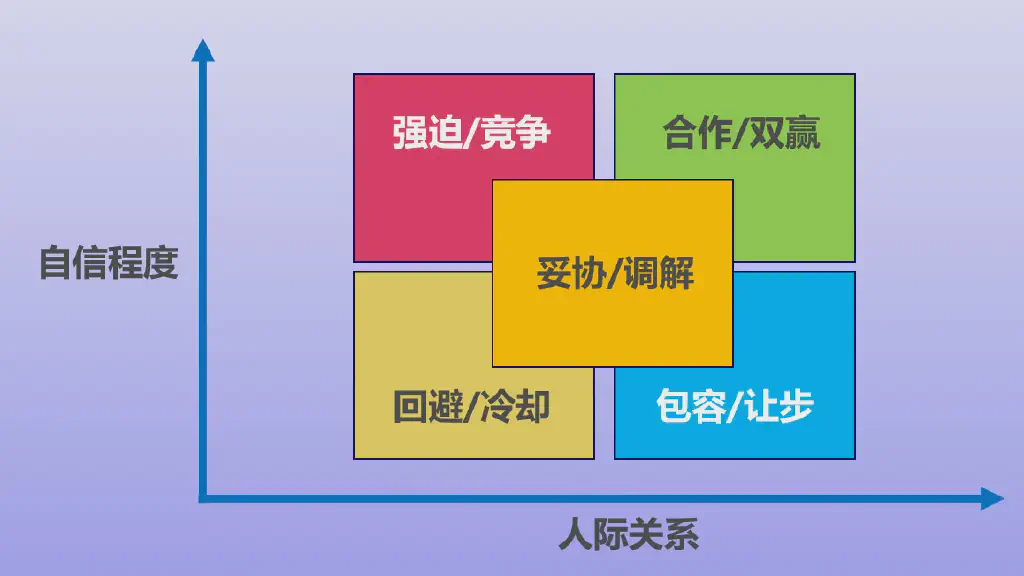
From two dimensions when facing conflict — your personal assertiveness in solving the problem and your cooperativeness in managing the relationship with the other party — come the following five conflict-handling strategies:
Competing: When an individual is assertive, they can adopt a competing strategy. It creates a win-or-lose situation, where the stronger party forces the other to accept their demands. Win-Lose
Collaborating: This is the best strategy — through cooperation and teamwork, both sides find a win-win path where 1+1>2. Win-Win
Avoiding: Does not solve the problem; a cold treatment that shelves the issue. Lose-Lose
Accommodating: One side voluntarily yields in order to preserve the relationship. Lose-Win
Compromising: Meeting in the middle — both sides give a little and make mutual concessions to reach a middle-ground solution, forming a compromise. Half-Half
Different individuals, when facing conflict, consciously or unconsciously adopt different strategies. Understanding this model helps us assess conflicts more rationally and choose an appropriate way to respond.
How Should a Team Manage Conflict?
For an R&D team, managing conflict well fundamentally comes down to building a strong team culture on the foundation of sound processes and systems, and fostering a transparent, trust-based cooperative relationship and environment.
Sound systems. For example, disputes over bugs should have an arbitration mechanism, rather than leaving developers and testers to argue themselves red in the face.
Team culture. Testing and development work should not be set against each other; instead, everyone collaborates toward a shared quality goal.